
UK iGaming, explained without the sales pitch
Casinos Not on GamStop: A UK Player’s Neutral Guide and Comparison
 Available in GB
A plain, source-cited look at what these sites are, whether a British player is actually breaking any law, the offshore licences behind them, and the risks the affiliate listicles tend to skip.
By the end of 2025, more than 562,000 people had registered with GamStop, and integration with the scheme has been a UK licence condition since 31 March 2020. This guide explains where casinos that sit outside that scheme come from and what playing on one really involves.
The short version, before you read on
- What it is: an online casino not connected to GamStop, almost always because it holds an offshore licence rather than a UK Gambling Commission (UKGC) one.
- Legality: it is not a criminal offence for a UK resident to access one, but you sit outside UK consumer protection. The offshore operator targeting UK players without a UKGC licence is the party acting unlawfully here.
- Key risks: no UKGC oversight, limited or unclear dispute resolution, no UK-level fund-protection guarantee, and verification often deferred to the withdrawal stage.
- Who this matters to: anyone comparing offshore sites, and in particular anyone who joined GamStop to manage their gambling, for whom this works against the original purpose.
- What to check: the licence and jurisdiction, the dispute route, and how and when identity verification happens.
- Where to get help: the National Gambling Helpline on 0808 8020 133 is free, confidential and open 24/7.
Licence Protection Index
A casino’s licence decides what happens when something goes wrong. Pick the jurisdiction on the licence and see how much protection it actually carries, measured against a UK Gambling Commission licence at 100.
Before you deposit anything
Scores are our own assessment of each regime’s player-protection framework, weighted as shown, and describe the jurisdiction rather than any individual operator. A strong licence does not make a specific site trustworthy. This is general information, not legal or financial advice.
No offshore licence restores a GamStop self-exclusion. If the reason you are checking is that a block you set for yourself is in the way, the National Gambling Helpline is free, confidential and open 24/7 on 0808 8020 133.
Operators assessed against the licence register
The table below sets out a handful of offshore operators by the one thing a UK player can actually verify: the licence on the public regulator register. We do not crown a winner, we do not rank these from best to worst, and the order carries no meaning. Each entry is keyed to the licensed legal entity and the live licence number, because licences are issued to companies rather than to brand names, and that is what you check. Every row also carries at least one objective risk marker. We have deliberately left out a founding-year column: the Curacao register does not publish a casino's launch date, so stating one would mean copying unverified marketing, which this site does not do.
All Curacao entries below were cross-checked against the Curacao Gaming Authority Online Gaming License Registry on 29 May 2026; status and dates are taken from that register and from each operator's own licence certificate. Read this alongside the licensing detail further down, because the licence jurisdiction tells you far more about your real position than any welcome offer does.
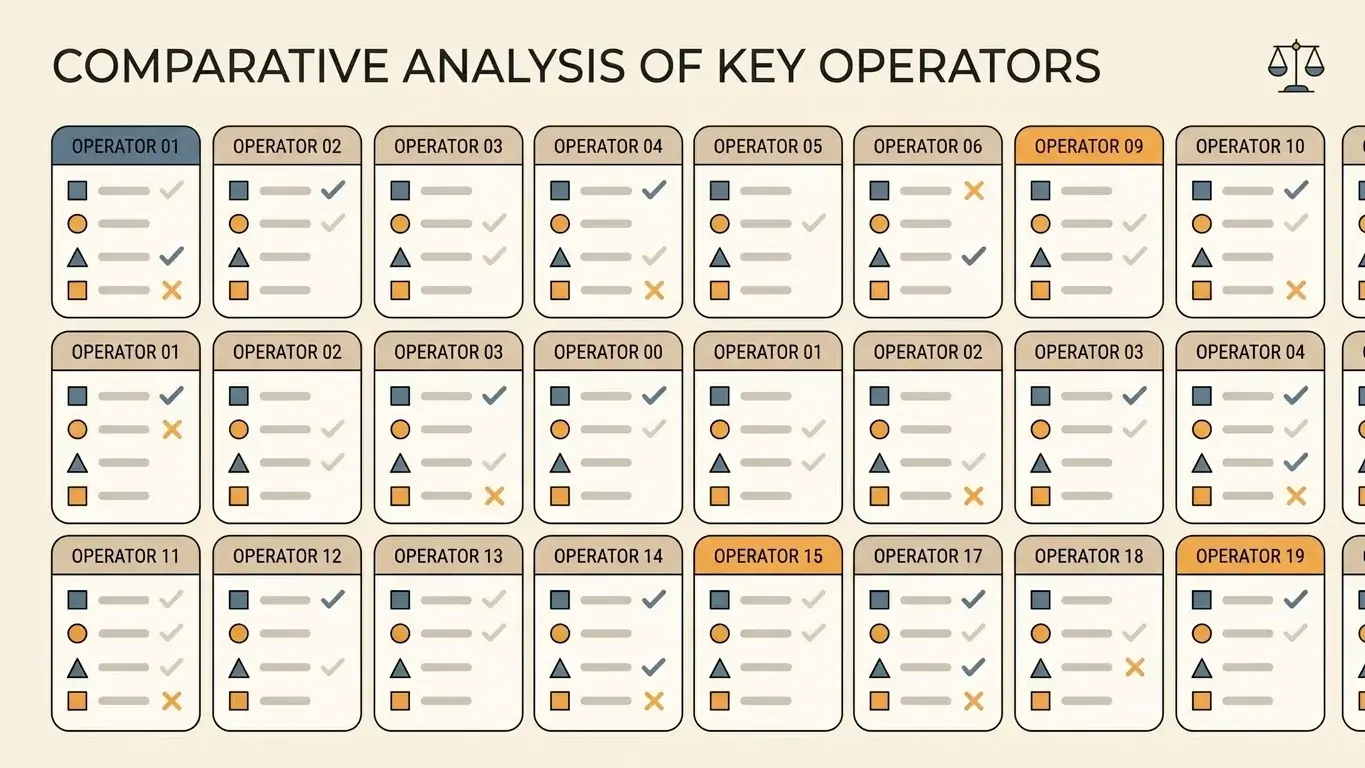
| Brand | Licensed entity | Licence / jurisdiction | Licence number and status | Risk marker (objective) | More detail |
|---|---|---|---|---|---|
| 888starz | Bittech B.V. (company no. 153870) | Curacao (CGA, post-LOK) | OGL/2024/665/0201; B2C, active on the CGA register (issued 7 Sep 2025, due to expire 7 Mar 2026) | No UKGC protection and no UK ADR; the licence is a short-cycle term that must be re-checked for renewal | How Curacao licensing works |
| 1win | 1Win N.V. (company no. 147039) | Curacao (CGA, post-LOK) | OGL/2024/587/0621; B2C, active on the CGA register (issued 6 Sep 2025, due to expire 6 Mar 2026) | No GamStop coverage; dispute recourse follows Curacao law, not the UKGC, and independent user reports on payouts are mixed | Compared with UKGC casinos |
| ComeOn (Curacao entity) | Come On Curacao N.V. (company no. 118819) | Curacao (CGA, post-LOK) | OGL/2024/1539/0808; B2C, active on the CGA register (issued 2 Sep 2025, due to expire 2 Mar 2026) | A Curacao licence gives no UKGC-level fund-segregation guarantee; verify the exact domain on the operator's own CGA certificate | An honest risk assessment |
| Listed entity (verify the brand) | New Era B.V. (company no. 157707) | Curacao (CGA, post-LOK) | OGL/2024/181/0181; B2C, active on the CGA register (issued 7 Sep 2025, due to expire 7 Mar 2026) | The register lists the entity, not the brand; confirm which domain it operates before depositing, and expect deferred verification | Crypto and no-KYC payment risks |
| Listed entity (verify the brand) | Owl In N.V. (company no. 151201) | Curacao (CGA, post-LOK) | OGL/2024/774/0362; B2C, active on the CGA register (issued 7 Sep 2025, due to expire 7 Mar 2026) | Active status is a point-in-time check on a six-month cycle; an active entity today can lapse, and UK customers gain no UKGC recourse either way | Offshore licence strength |
This is a neutral comparison of verified licence records, not an endorsement and not financial or legal advice. The entities and licence numbers above were taken from the Curacao Gaming Authority Online Gaming License Registry and operator certificates on 29 May 2026; Curacao licences run on a short cycle and several above are due to expire in early 2026, so re-check the live status on the regulator register before you rely on it. Where a brand could not be tied to a listed entity through a primary source, the row names the entity rather than guessing a brand. None of these sites carries UK consumer protection. If gambling is causing you difficulty, the support routes set out below come first.
What "casino not on GamStop" actually means
A "casino not on GamStop" is, quite literally, an online casino that is not connected to GamStop, Britain's national online self-exclusion scheme. That disconnection is not an accident or a marketing choice. It is a consequence of where the site is licensed. Taking part in GamStop is a mandatory condition only for operators licensed by the UK Gambling Commission, so a casino licensed somewhere offshore sits outside the scheme by default. When affiliate sites describe a casino as "not on GamStop", what they are really describing is a site that holds a foreign licence and therefore never plugged into the UK self-exclusion network in the first place.
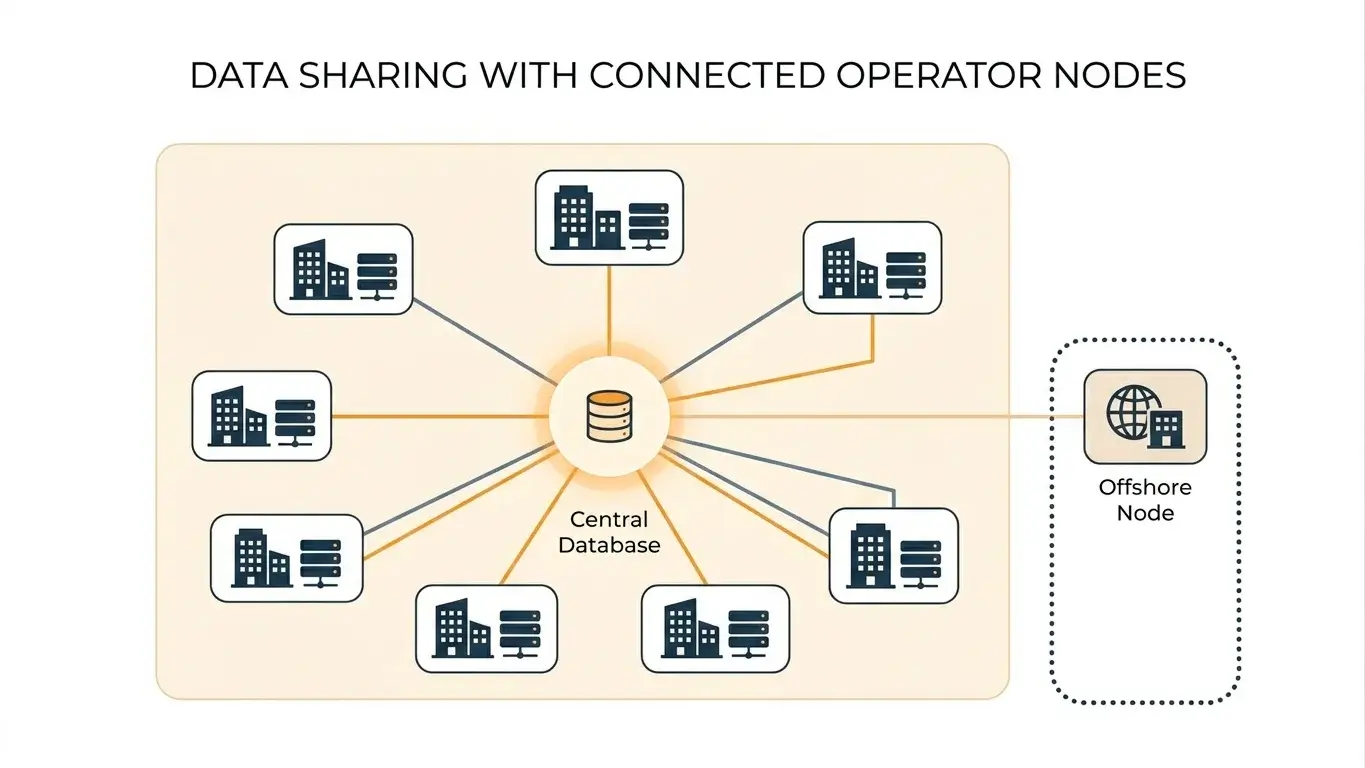
The mechanism is worth understanding, because it explains why these sites exist at all rather than implying some clever loophole. When you register with GamStop, the scheme distributes your details, including your name, date of birth, email addresses, home address and phone number, across every participating operator. Each UK-licensed casino is then obliged to check new and existing accounts against that data and block any matches. An offshore operator is not part of that network. It never receives the data, it runs no cross-check, and so a self-excluded player is able to register without being stopped. The site is not "beating" GamStop so much as standing entirely outside it.
It also helps to be precise about what restriction a player is bypassing. In the overwhelming majority of cases it is an active GamStop self-exclusion. Secondary to that, people reach these sites to sidestep UK stake limits, bonus restrictions, affordability checks and strict identity verification. There is an honest point to make here, and it is not a moral lecture: if someone joined GamStop because they were struggling to keep their gambling in check, then deliberately seeking out a site that ignores that block works directly against the reason they signed up. If that describes you, the support listed later in this guide is genuinely the better next step. For the precise wording and a fuller walk-through, see what casino not on GamStop really means.
Key takeaway
Whether a casino is "on GamStop" is decided by its licence. UK-licensed sites must join the scheme; offshore-licensed sites are outside it because they were never required to join.
How GamStop and UKGC licensing fit together
To see why offshore sites are not on GamStop, it helps to understand the regulatory spine they sit outside of. The statutory foundation is the Gambling Act 2005, which created the UK Gambling Commission as an independent regulator working to three licensing objectives: keeping gambling free of crime, keeping it fair and open, and protecting children and vulnerable people. Any operator that wants to offer gambling to people in Great Britain has to hold a UKGC licence and meet its Licence Conditions and Codes of Practice, and that obligation does not depend on where the company is based. You can read the legislation itself on legislation.gov.uk and the regulator's own framework on the Gambling Commission site.

The reason any operator targeting UK customers must be UK-licensed comes from the Gambling (Licensing and Advertising) Act 2014, which introduced the point-of-consumption rule. Before 2014, a site could serve British players from abroad without a UK licence; afterwards, the test became where the customer is, not where the server is. GamStop sits inside this framework as a national online self-exclusion scheme run by NOSES Ltd, launched in April 2018 and made a mandatory licence condition from 31 March 2020. That single date is why the whole "not on GamStop" category exists: the moment GamStop integration became compulsory for UK licensees, the only casinos that could legitimately skip it were those that had no UK licence to lose. The cluster hub on how UK gambling regulation works traces this in more depth, and the the GamStop network explained page covers the data-matching side.
Recent reform direction matters too, because it is part of why offshore interest has grown. The 2023 White Paper set out the biggest overhaul since 2005. Online slot stake limits followed, with a £5 per game cycle cap for players aged 25 and over from 9 April 2025 and a £2 cap for those aged 18 to 24 from 21 May 2025. A statutory levy on operators began in 2025, and Remote Gaming Duty is rising from 21% to 40% from 1 April 2026, the steepest tax change the online sector has faced in years. Each tightening of the regulated market tends to nudge a slice of players towards looking offshore.
Is it legal for a UK player to use one?
This is the question that gets answered badly most often, usually with either a breezy "totally legal" or a vague "grey area". The accurate version sits between the two. For the individual player, accessing an offshore casino is not a criminal offence. British gambling law is aimed at operators, not at the people who place bets. There is no offence for a UK resident who decides, of their own accord, to play on a site licensed abroad. If you found the casino yourself, the legal responsibility sits with the operator rather than with you.
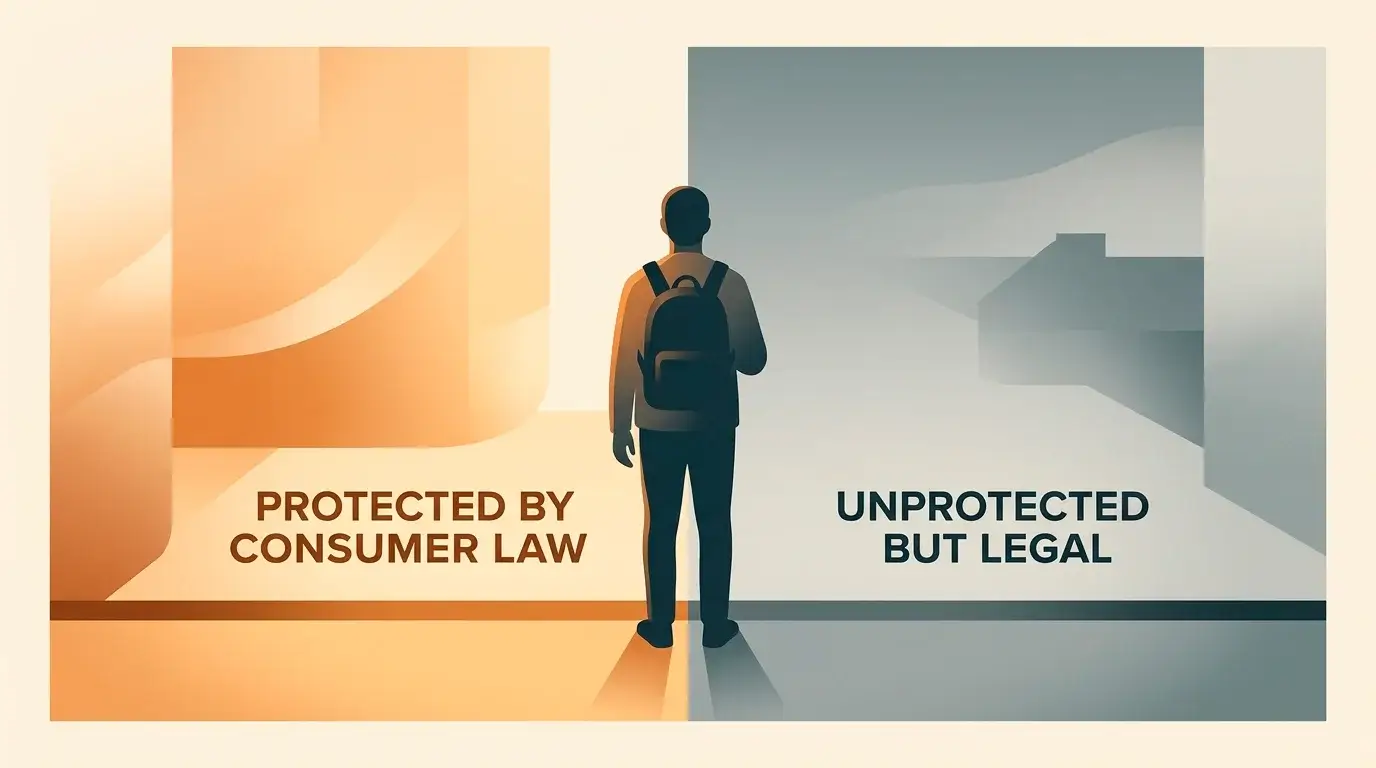
The operator's position is very different. Under the Gambling Act 2005, providing facilities for gambling in Great Britain without a UKGC licence is a criminal offence, and the point-of-consumption regime introduced in 2014 means an operator that targets UK customers without that licence is acting unlawfully under UK law regardless of where it is registered. So the honest framing is not "illegal for the player" but "outside the protection of UK law". You are not committing a crime; you are simply stepping outside the consumer safeguards, the dispute routes and the regulatory oversight that come with a UK-licensed site. This is general information rather than legal advice, and you can read the underlying provisions on legislation.gov.uk alongside the regulator's enforcement guidance on the Gambling Commission site. The dedicated non-GamStop vs UKGC casinos page sets the two side by side on the protections that actually differ.
A note on winnings tax
One myth worth retiring: there is no UK tax on gambling winnings for players, and that is true whether you win on a UK-licensed site or an offshore one. The tax burden sits on operators, not on individuals, so "offshore to avoid tax" is not a real benefit because there was no player tax to avoid.
The offshore licences behind these sites, ranked by strength not marketing
"Offshore licensed" is doing a lot of quiet work in most listicles, because the gap between the strongest and weakest offshore regimes is enormous. Curacao is the jurisdiction most non-GamStop sites point to, and it has just been through a serious reform. Its parliament passed the National Ordinance on Games of Chance, known by its Dutch abbreviation LOK, on 17 December 2024, and it came into force on 24 December 2024. The LOK replaced the legacy framework and the old four-master-licensee model, under which private master licensees sold sub-licences with minimal oversight. The Curacao Gaming Authority is now the sole direct issuer of licences, legacy sub-licences expired through 2025, and dispute-resolution and AML obligations became mandatory for licensees. It is a genuine step up, though still some distance from UK standards.
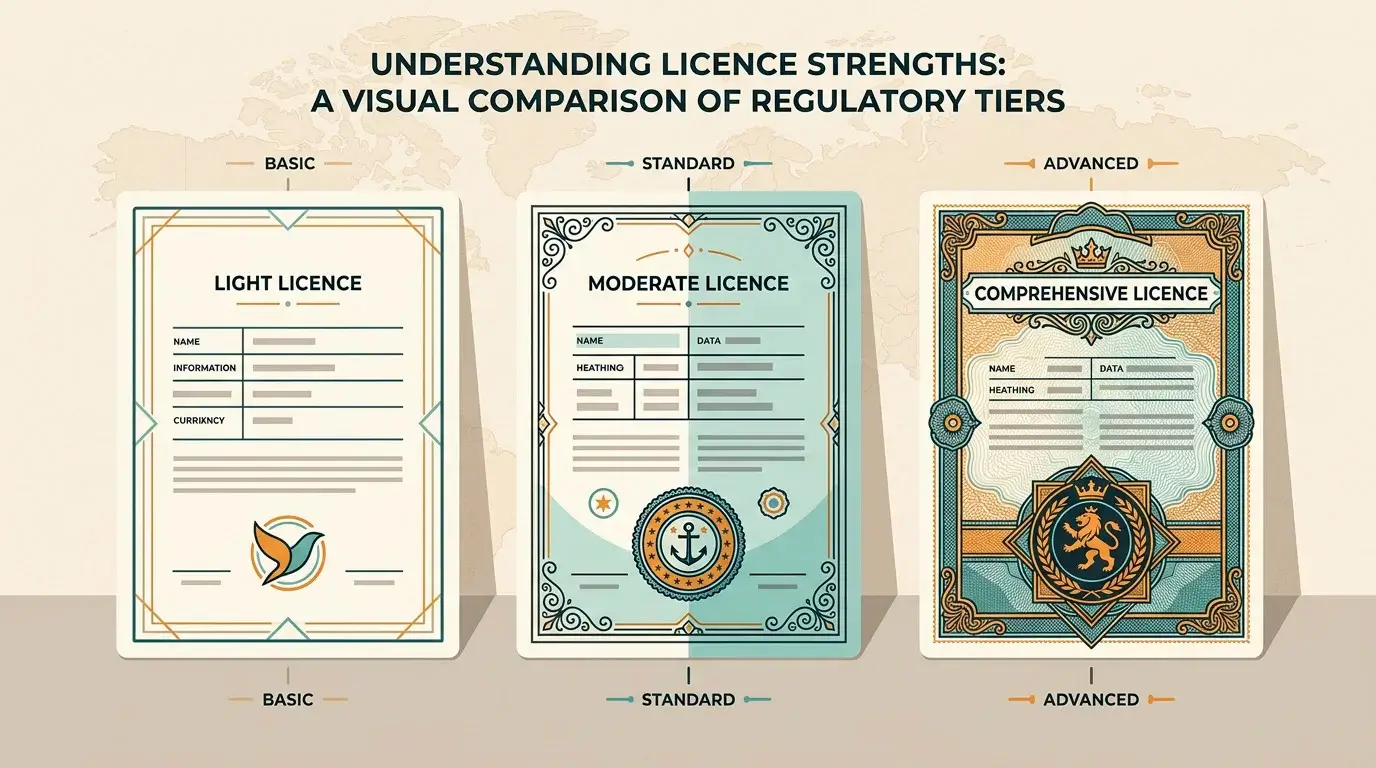
Above Curacao sit Malta and Gibraltar. The Malta Gaming Authority is the most protective of the jurisdictions you will commonly encounter on these sites, with a more structured complaints process and tighter compliance expectations; Gibraltar is among the strictest of all. Below Curacao sits Anjouan, in the Comoros, which is cheaper and lower-threshold, popular with smaller operators, and which introduced a Recognition Certificate scheme in 2025. Then there are the weaker or cheaper options, Costa Rica, Panama, Nevis and Tobique among them, and finally the genuinely dangerous category: sites operating with no clear licence at all, which carry the highest risk of the lot.
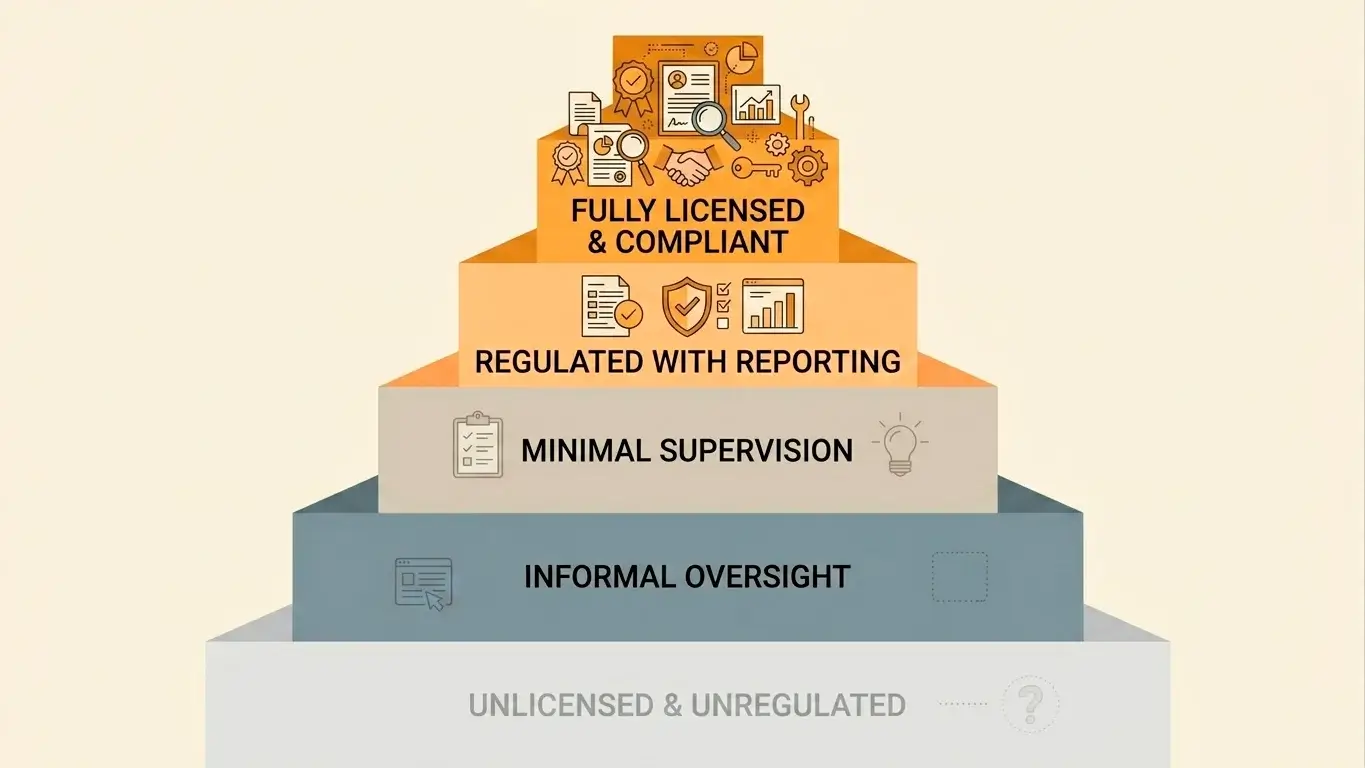
The comparison to UKGC is the part that matters most and that the marketing rarely spells out. No offshore licence, not even Malta's, gives you access to UK alternative dispute resolution, UKGC-level fund-segregation guarantees, or UKGC oversight. A stronger offshore licence narrows the gap; it does not close it. Our fuller breakdown lives on offshore casino licences explained, with the regulator context drawn from the Gambling Commission and the statutory background on legislation.gov.uk.
The risks worth weighing before you sign up
This is where a neutral guide earns its keep, because the risks are real, specific and often invisible until something goes wrong. The headline one is the absence of UKGC protection: if a dispute arises, you cannot turn to the British regulator, and any resolution follows the law of the licence jurisdiction. Alternative dispute resolution is patchy; it is mandatory on Curacao under the LOK now but the quality varies, and an unlicensed site may offer none at all. There is no UK-level guarantee that client funds are segregated, so in a worst case an operator can withhold winnings and your recourse runs through a foreign court.
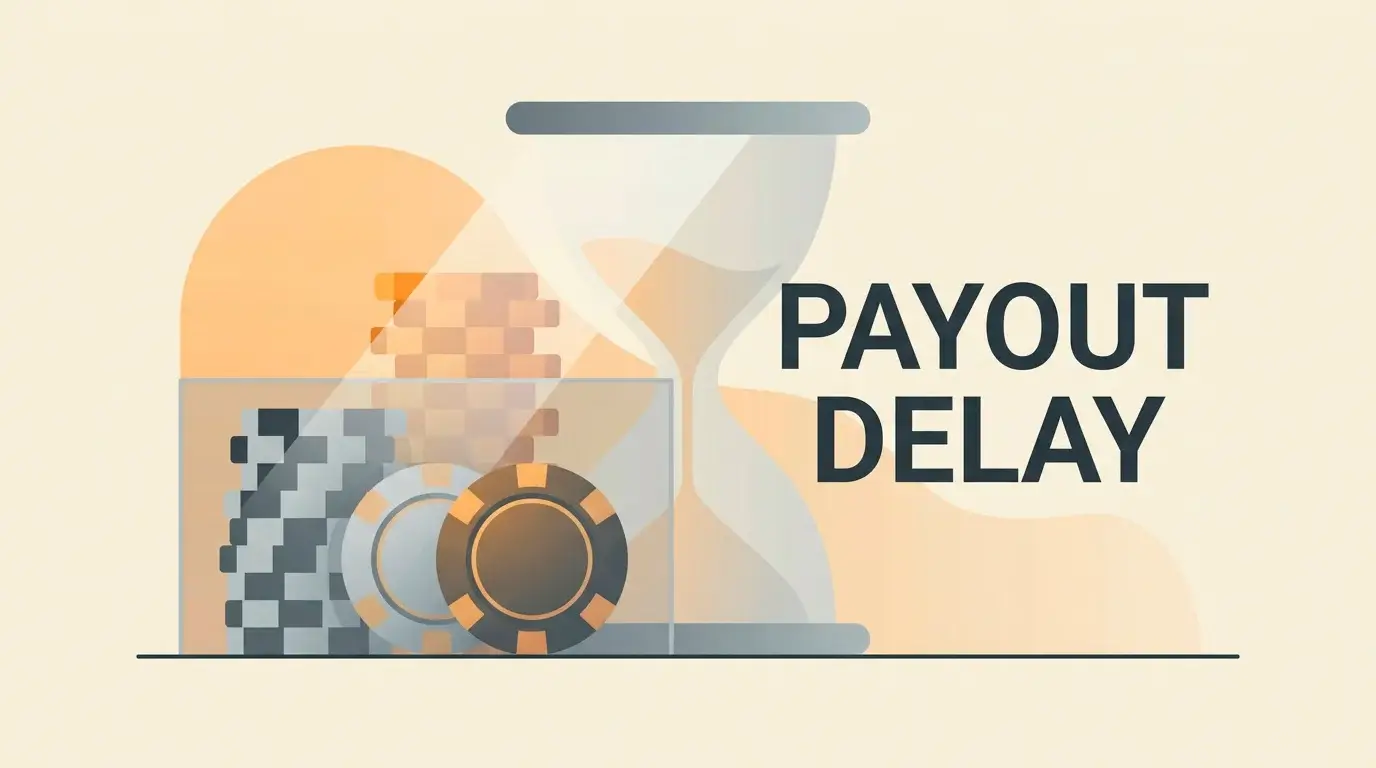
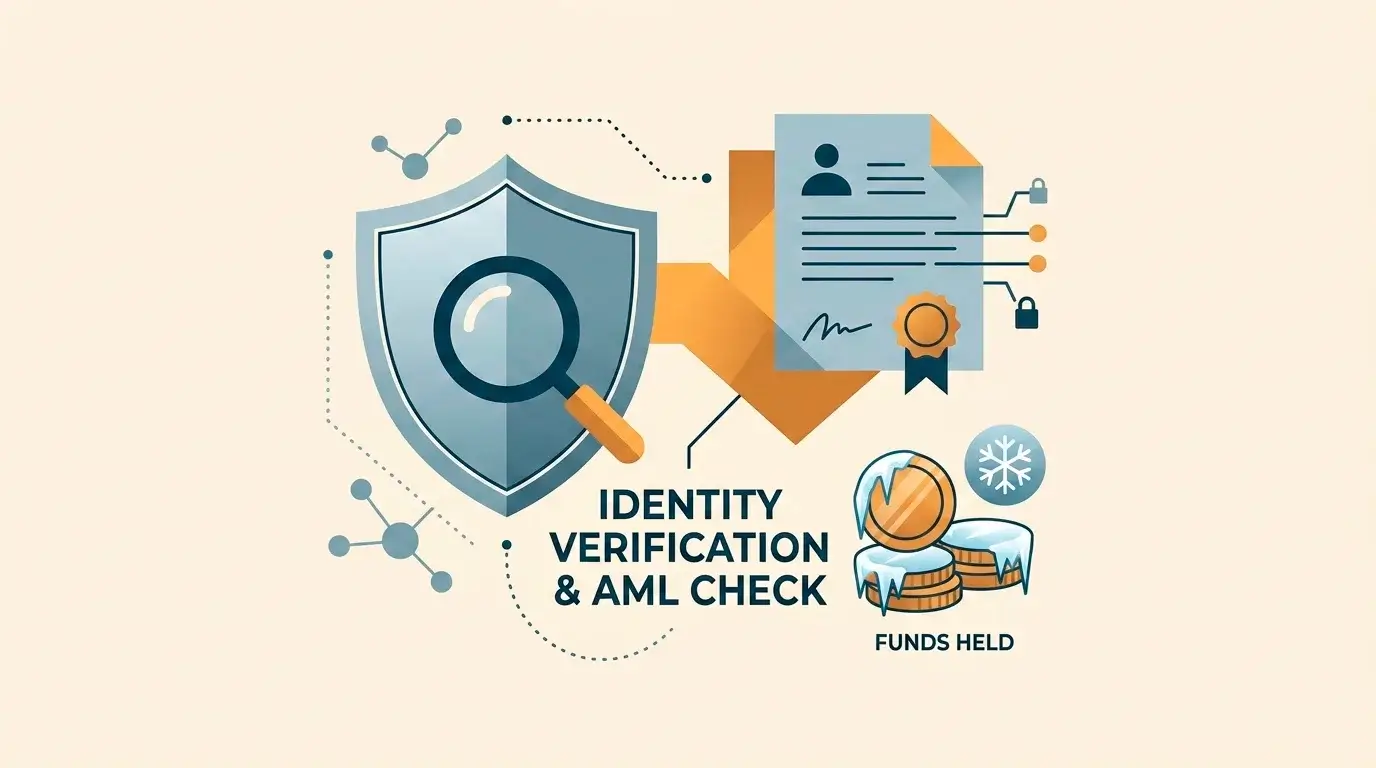
Then there is the verification trap, which is the single biggest practical risk and the one dressed up as a benefit. "No KYC" sounds like convenience, but in practice verification is frequently deferred to the moment you try to withdraw. That is exactly when anti-money-laundering checks can trigger frozen funds, demands for documentation, or an outright refused payout. The easy entry and the difficult exit are two sides of the same coin. The dedicated crypto and no-KYC payment risks page goes through this in detail.
Finally, there is the instability of the sector itself. Domains cycle, new sites appear and vanish, and the UK regulator is actively pushing against the offshore market: in the 2025 financial year the UKGC identified over 1,000 illegal operators and referred roughly 100,000 URLs to search engines, with sites being delisted and blocked. That makes sudden loss of account access a genuine risk, not a theoretical one. The honest, fuller treatment is on are non-GamStop casinos safe, which builds this into a practical red-flag checklist, sourced to the Gambling Commission and with self-exclusion context from GamStop.
What players say they gain
- Larger bonuses than UK caps permit
- No UK stake or affordability limits
- Wider game and payment choice, including crypto
- Faster crypto withdrawals
- Lighter verification at sign-up
What they give up
- No UKGC protection or oversight
- Limited or unclear dispute resolution
- No UK-level fund-protection guarantee
- Verification and AML risk at withdrawal
- Domain cycling and sudden access loss
Why players reach these sites in the first place
Understanding the demand makes the whole topic clearer. Some people self-excluded impulsively or as a precaution, then changed their mind and want to play again before the period ends, which GamStop does not allow. Others are chasing the bigger bonuses and looser limits that the regulated market deliberately restricts, or are frustrated by affordability checks and intrusive identity verification on UK sites. A further group wants payment methods, crypto in particular, that are less common on the regulated market. And a portion of the demand comes from people with genuine gambling difficulties, for whom the offshore route carries the most direct risk of harm.

That last group is why this site treats the legitimate exit route as a first-class topic rather than a footnote. If the reason you are looking is that you want off GamStop, there is a proper way to do that once your period ends, and we cover it on how to come off GamStop legally. If the reason is that gambling has stopped feeling like a choice, the responsible gambling support page is the place to start.
Quick facts
- Scheme launched
- April 2018, run by NOSES Ltd
- Mandatory from
- 31 March 2020 for UK licensees
- Exclusion periods
- 6 months, 1 year, or 5 years
- Registered by end of 2025
- More than 562,000 people
- Player winnings tax
- None, UK or offshore
The scheme's history and where the rules are heading
GamStop did not arrive fully formed. It launched in April 2018 as a free, voluntary service, and only became a hard licence condition for UK online operators on 31 March 2020. The seriousness of that condition was demonstrated quickly: in April 2020 the regulator suspended licences over non-compliance, which made clear this was not a box-ticking exercise. In December 2024 a "5 years with auto-renewal" option was added for people who want a longer, self-sustaining block, and by late 2025 more than half of those choosing the five-year option were picking auto-renewal.
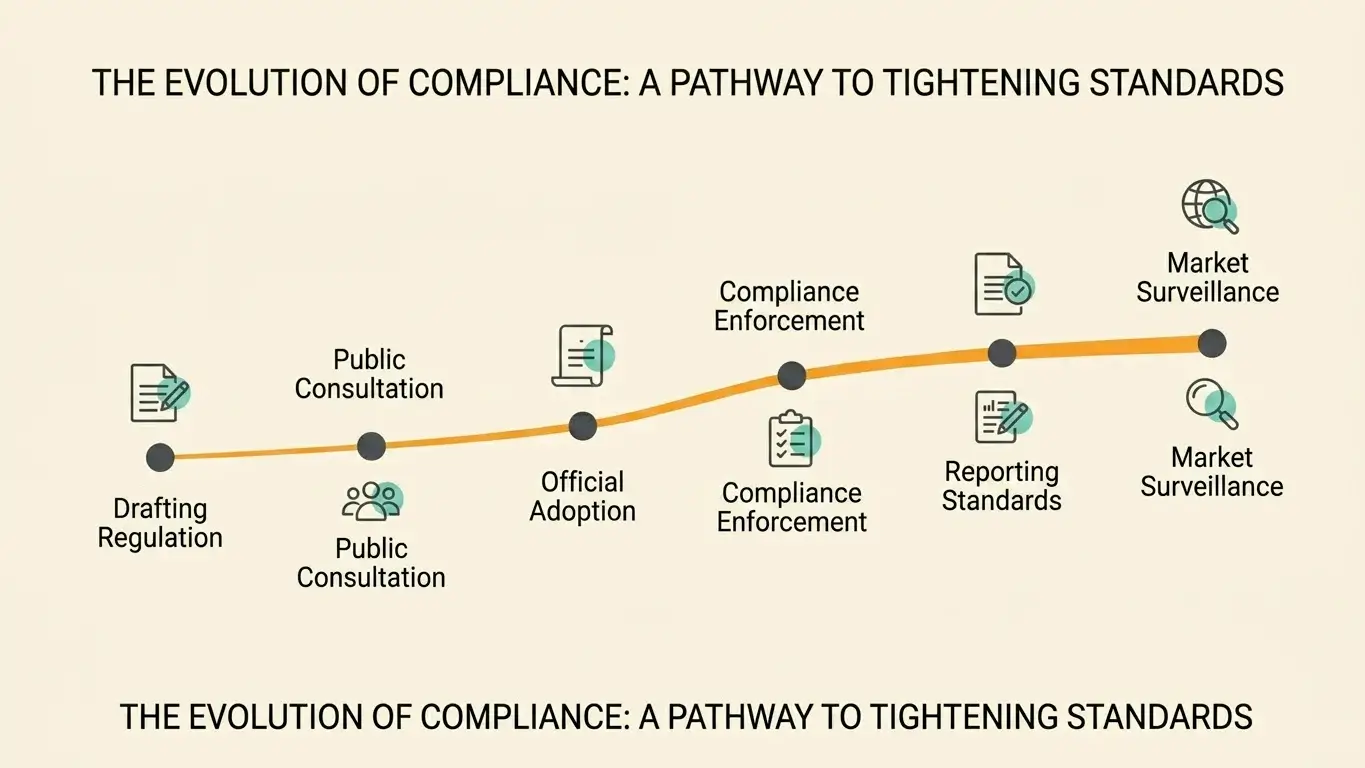
The wider direction of travel is towards more consumer protection, not less, and that is the backdrop to the whole offshore conversation. The 2023 White Paper, the 2025 slot stake limits, the statutory levy and the 2026 Remote Gaming Duty rise to 40% all push the regulated market in one direction. Whether that makes offshore sites more tempting or simply riskier depends entirely on what you value, which is the judgement this guide is trying to inform rather than make for you. The regulation hub keeps these threads together, with primary sources at the Gambling Commission and on legislation.gov.uk.
What an informed decision actually looks like
If you have read this far, you already have what most of the affiliate pages leave out: a clear sense of the trade-off. A casino not on GamStop offers fewer restrictions, bigger bonuses and broader payments, and it does so by sitting outside the UK protections that exist precisely for the moments when something goes wrong. That is not a verdict, and it is deliberately not framed as "best" or "recommended", because the right answer depends on your circumstances and your reasons for looking.
Three checks separate an informed choice from a blind one. Confirm the licence and jurisdiction against the regulator's own register, not the casino's marketing. Find out exactly how a dispute would be handled and under whose law. And establish when and how identity verification happens, because that is where most withdrawal problems start. Above all, be honest with yourself about why you are looking. If any part of the reason is that gambling has become hard to control, the most useful thing on this whole site is the help signposted just below.
Questions UK players keep asking
Are casinos not on GamStop legal in the UK?
It is not a criminal offence for a UK resident to access one, because the law targets operators rather than players. The trade-off is that you sit outside UK consumer protection, and the offshore operator targeting UK customers without a UKGC licence is itself acting unlawfully under UK law. This is general information, not legal advice.
Can I play if I am self-excluded on GamStop?
Technically yes, because an offshore site is not part of the GamStop network and does not check the database. But if you joined GamStop to manage your gambling, doing so works directly against the reason you signed up, and the support listed above is the better step.
Do I pay tax on winnings from a non-GamStop casino?
No. There is no UK tax on player gambling winnings, on UK-licensed or offshore sites. The tax sits on operators, so "going offshore to avoid tax" is not a genuine benefit.
What licences do these casinos hold?
Most commonly Curacao, which reformed under the LOK in December 2024, along with Malta and Gibraltar at the stronger end and Anjouan and others at the lighter end. Some sites operate with no clear licence, which is the highest risk. See our offshore licences explained page.
Do non-GamStop casinos require ID verification?
Often the checks are lighter at sign-up but deferred to the withdrawal stage, where anti-money-laundering rules can trigger document requests, delays or frozen funds. That deferred verification is the biggest practical payout risk.
How do these sites differ from UKGC casinos?
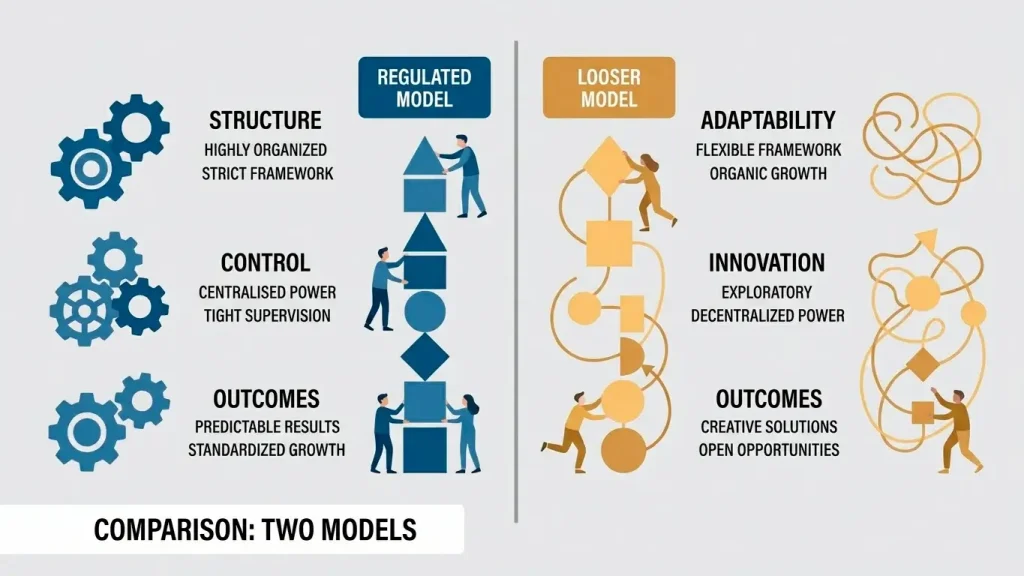
UKGC casinos offer regulator oversight, UK dispute resolution, fund-protection expectations and stake and bonus limits; offshore sites trade those protections for fewer restrictions and bigger bonuses. Our non-GamStop vs UKGC casinos page compares them point by point.
Can I cancel or get around GamStop early?
No. GamStop cannot be cancelled before your chosen minimum period ends, and removal afterwards is not automatic; you have to request it and pass a cooling-off period. The legitimate process is on how to come off GamStop legally.
Related posts

Offshore Casino Licences Explained: Curacao, Malta and Anjouan
Non-GamStop vs UKGC Casinos: How They Compare for UK Players