
What “Casino Not on GamStop” Really Means
 Available in GB
The phrase gets used constantly and explained almost never. A “casino not on GamStop” is simply an online casino that is not connected to GamStop, Britain’s national self-exclusion database. That sounds circular until you understand why some casinos are connected and others are not, and that comes down entirely to where the site is licensed. This page takes the question literally and answers it properly, including the exact technical mechanism that lets a self-excluded player slip through, because that detail is where most affiliate sites go quiet.
The full picture is in our guide to casinos not on GamStop.
The plain definition, and why licensing is the whole answer
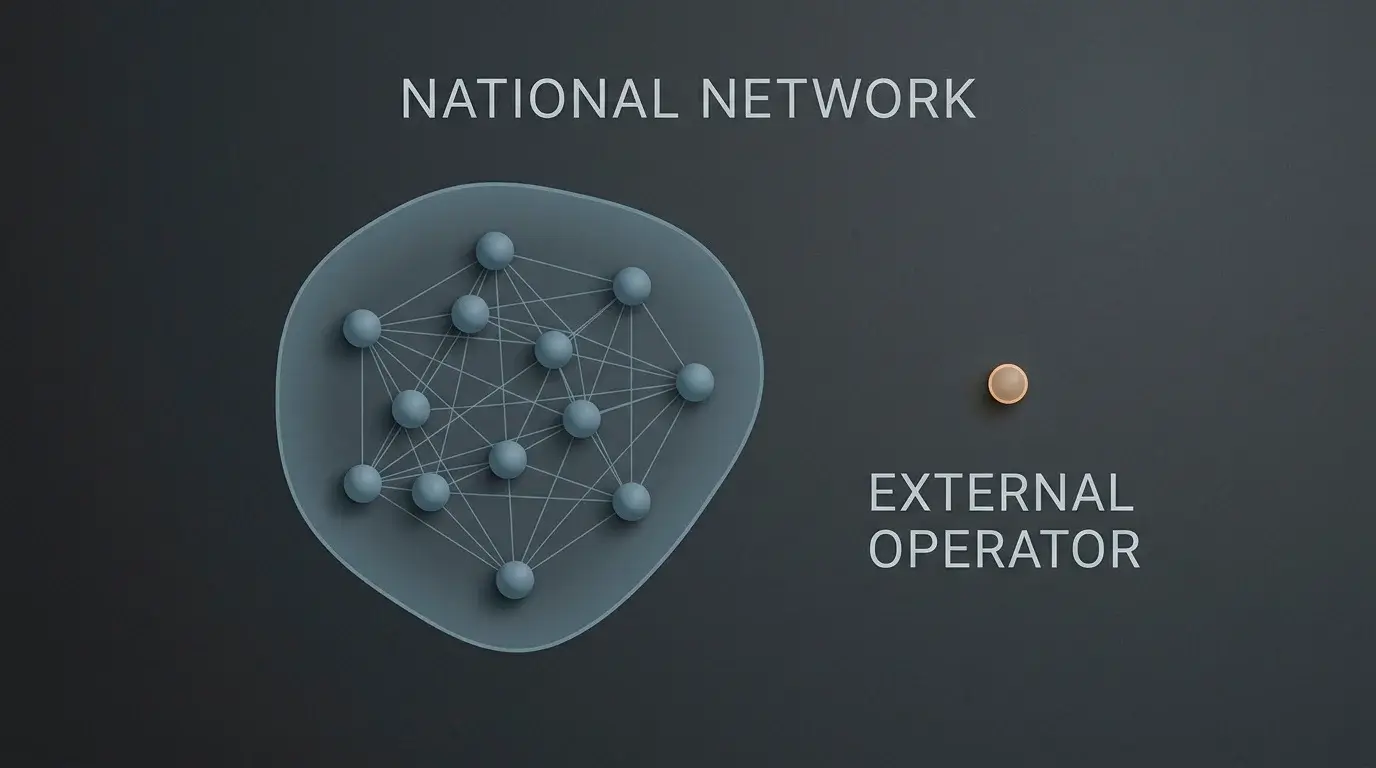
Start with the literal meaning. GamStop is a single shared database that online gambling operators check against in order to block anyone who has chosen to self-exclude. A casino is “on GamStop” if it is plugged into that database and “not on GamStop” if it is not. The reason a casino would be one or the other is not a matter of choice or marketing; it is a matter of which regulator issued its licence. Checking the GamStop database is a condition of holding a licence from the UK Gambling Commission, so every UKGC-licensed casino is necessarily on GamStop. A casino licensed somewhere else, in Curacao or Malta or Anjouan, has no such obligation under its own regulator’s rules, so by default it sits outside the scheme entirely.
That is the entire explanation in one sentence: a non-GamStop casino is an offshore-licensed casino, and it is offshore-licensed casinos that fall outside the British self-exclusion network. Everything else people say about these sites, the bigger bonuses, the crypto payments, the lighter identity checks, flows from the same root cause, namely that they operate under a foreign rulebook rather than the British one. If you want the full picture of how that British rulebook is built, the regulation hub lays out the Gambling Act, the Commission and the licence conditions in order. The differences in the licences themselves are covered on the page about where these sites are licensed.
The mechanism: exactly how the block is supposed to work
Here is the part that competitors usually skip. When you register with GamStop, you hand over a specific set of personal identifiers: your name, your date of birth, your email addresses, your home address and your phone number. GamStop then distributes that data across its network of participating operators. Every operator that holds a UK Gambling Commission licence is obliged to take that data and block any registration or login attempt that matches it, an obligation set out in the Licence Conditions and Codes of Practice. The matching is done on those identifiers, which is why you are asked to use exactly the same details when you sign up as the ones you registered with the scheme. The scheme is run by The National Online Self-Exclusion Scheme Limited, known as NOSES, and it has operated this way since its soft launch in April 2018, with mandatory operator integration following from 31 March 2020.
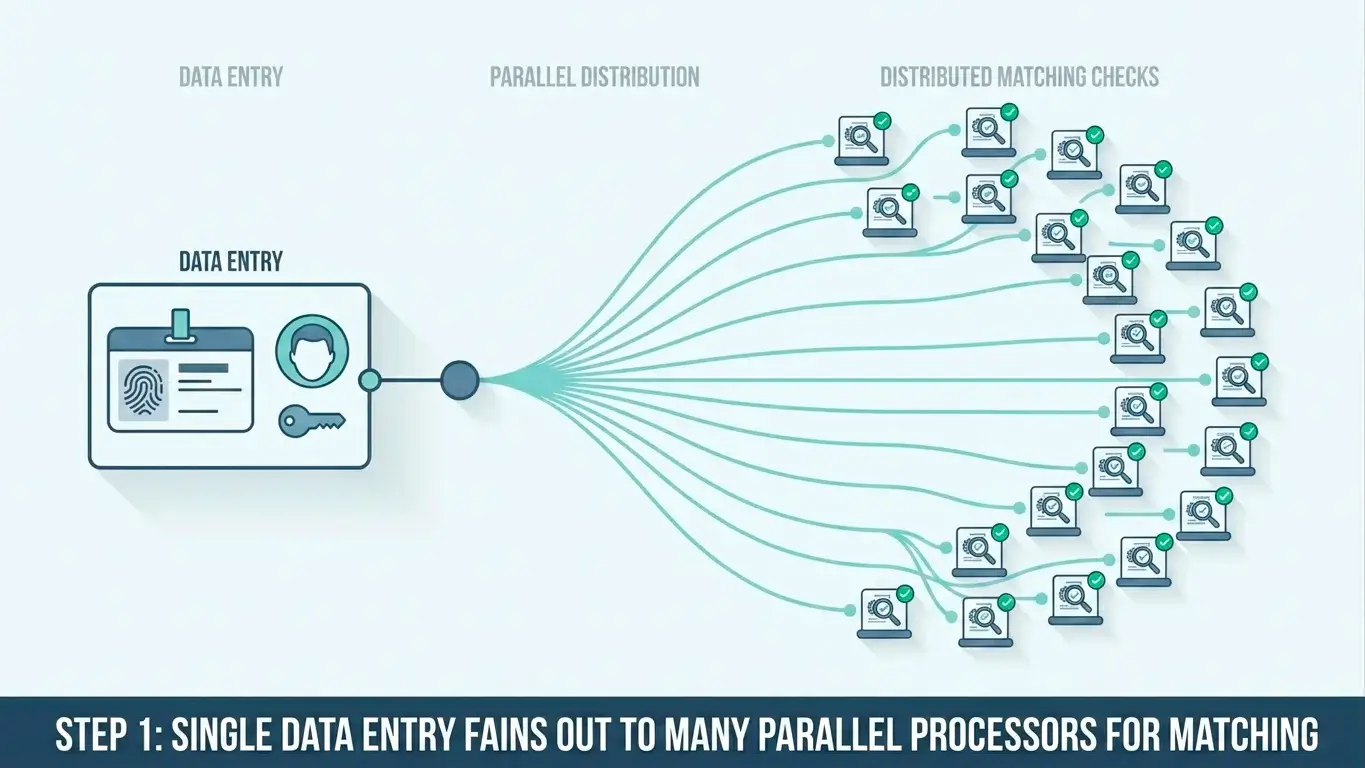
Now follow the logic through to its conclusion. An offshore-licensed operator is not part of this network. It never receives the distributed data, it has no obligation to perform the cross-check, and its systems are not connected to the GamStop database at all. So when a person who has self-excluded through GamStop arrives at an offshore site and enters their details, there is nothing on the other end matching those details against the exclusion list. The registration simply goes through. This is not the operator defeating GamStop with clever technology; it is the operator never having been inside the system in the first place. The block only exists where the licence condition applies, and the licence condition only applies to UKGC licensees. That structural gap is the single fact that the entire non-GamStop market depends on.
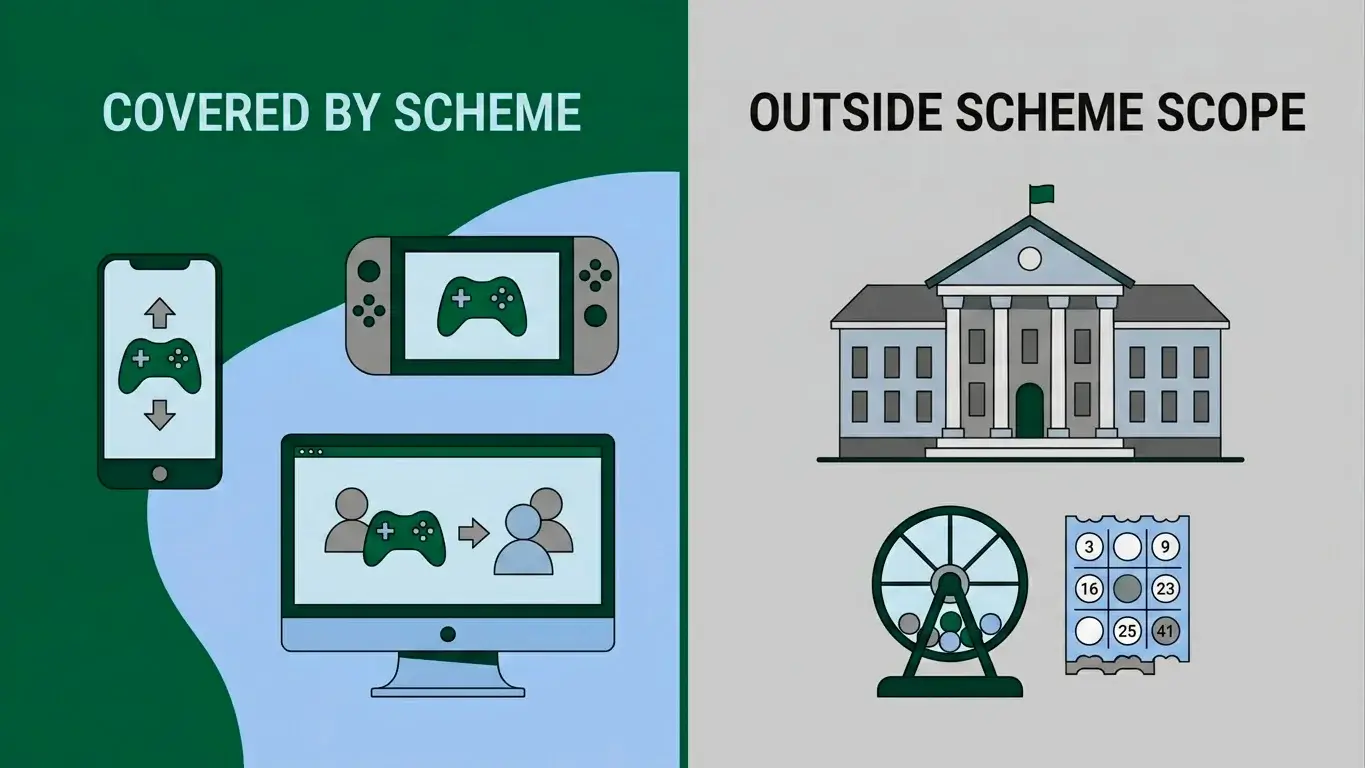
It is worth being precise about what self-exclusion does and does not reach even within the UK system. GamStop covers online gambling licensed by the Commission, which includes online casinos, sports betting, bingo and poker. It does not cover land-based venues, which use separate schemes, nor the National Lottery, nor, of course, sites licensed solely outside the United Kingdom. The first time you register, your details are shared across the network quickly, typically within a day, and the exclusion runs for whichever period you selected: six months, one year or five years. Those periods are irreversible until the minimum term has elapsed, a point that matters enormously and is covered in full on the page about coming off GamStop legitimately.
What restriction is actually being stepped around
It helps to be honest about what a person reaches a non-GamStop site to avoid, because it is rarely just one thing. In the clearest and most common case, the restriction being bypassed is an active GamStop self-exclusion: someone has blocked themselves from every licensed British site and is looking for somewhere that will still take their registration. That is the headline scenario, and it is also the one that carries the most weight, because self-exclusion is a tool people reach for when they have decided their gambling has become a problem.

Beyond self-exclusion, a non-GamStop site also sits outside several other protections that the regulated market imposes. Those include the statutory stake limits on online slots, the restrictions the Commission places on bonuses and promotions, the financial vulnerability checks that kick in once deposits cross a set threshold, and the strict identity-verification requirements UKGC operators must apply. Some players are not trying to escape self-exclusion at all; they are simply irritated by affordability checks or want a larger welcome offer, and the offshore route happens to remove all of those frictions at once. Whichever motive applies, it is the same offshore licensing that strips away all of these protections together, for better and for worse. The honest weighing of that trade-off is the job of the regulation hub and the comparison pages it links to.
- Primary restriction
- An active GamStop self-exclusion that blocks the player across all UKGC-licensed sites.
- Secondary restrictions
- Slot stake limits, bonus and promotion rules, financial vulnerability checks, and strict KYC verification.
The part that needs saying plainly
There is a reason this site refuses to treat “not on GamStop” as a neutral feature to be marketed. If you joined GamStop because you were finding it hard to keep your gambling under control, then searching out a site that will let you gamble again works directly against the thing you signed up to protect yourself from. That is not a judgement; it is just the plain shape of the situation. Self-exclusion is most useful precisely in the moments when the urge to gamble feels strongest, which are often the same moments when looking for a way around it feels most appealing. If that tension is familiar, it is worth pausing before you go further.
How the two models compare: non-GamStop vs UKGC.

Helping with that pause is not a disclaimer tacked onto the end of a sales pitch; it is the point. There is free, confidential support available, and using it carries no cost and no commitment. If you would rather wait out your exclusion and return to the regulated market when the time is right, the proper route is set out on the page about the proper removal process, and the wider support picture lives on the responsible-gambling page linked below.
This material was created by the GamStop Review Casino team.
Related posts

Offshore Casino Licences Explained: Curacao, Malta and Anjouan
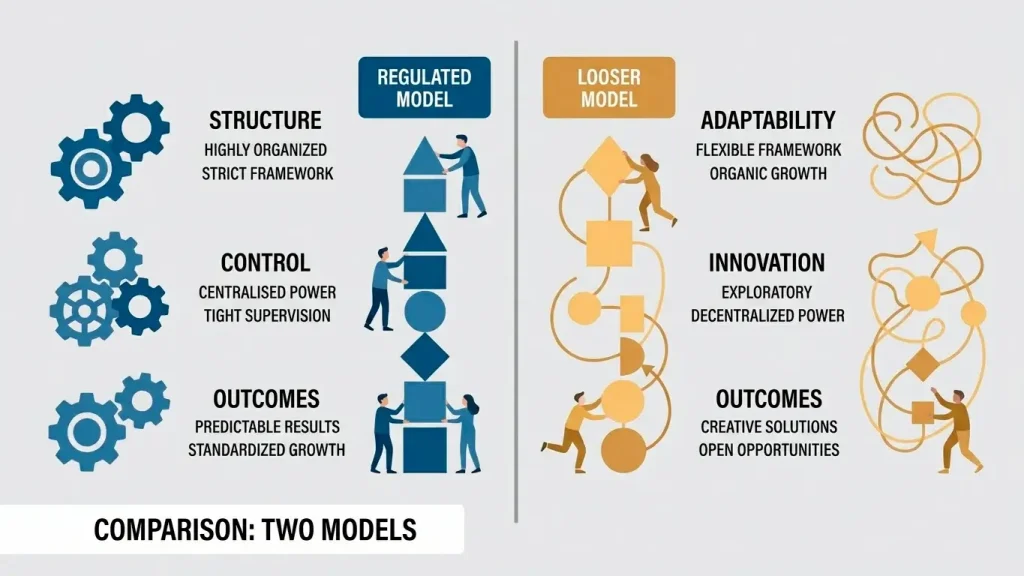
Non-GamStop vs UKGC Casinos: How They Compare for UK Players