
Payments at Non-GamStop Casinos: Crypto, Cards and No-KYC Risks
 Available in GB
Payments are where the offshore casino pitch is at its loudest. Faster crypto withdrawals, no intrusive checks, more methods to choose from. Some of that is true. But the way these features are sold, especially the idea that skipping verification is a clean benefit, hides where the real money risk lives. This page sets out the typical payment range you will see on a casino not on GamStop, in plain terms and in pounds, and then explains carefully why deferred verification is the single biggest threat to actually getting paid.
The full picture is in our guide to casinos not on GamStop.
What you will typically be offered
Offshore sites usually advertise a wider payment menu than a UK-licensed casino, because they are not bound by the same restrictions. In practice the range tends to cluster around a handful of categories. Cryptocurrencies are the most heavily promoted, led by Bitcoin and Ethereum but commonly including Litecoin, the USDT stablecoin and others. Debit cards from Visa and Mastercard are widely accepted. E-wallets such as Skrill and Neteller feature on many sites. Bank transfers are offered for larger amounts, and prepaid vouchers appear as a quick deposit option. The headline selling point is speed, and on the crypto side that speed is real for deposits.
Two contrasts with the UK-regulated market are worth flagging straight away. Credit cards have been banned for gambling on UKGC-licensed sites since 2020, yet some offshore sites will still accept them, which sounds like flexibility but means you can fund gambling with borrowed money in a way British rules deliberately stopped. And the payment-method rules that bind UK operators, set out in the Commission’s licence conditions, simply do not reach an offshore operator at all. If you want the regulatory backdrop, our explainer on how the UK rules work covers where these conditions come from.

Deposits are instant. Withdrawals are where it gets complicated
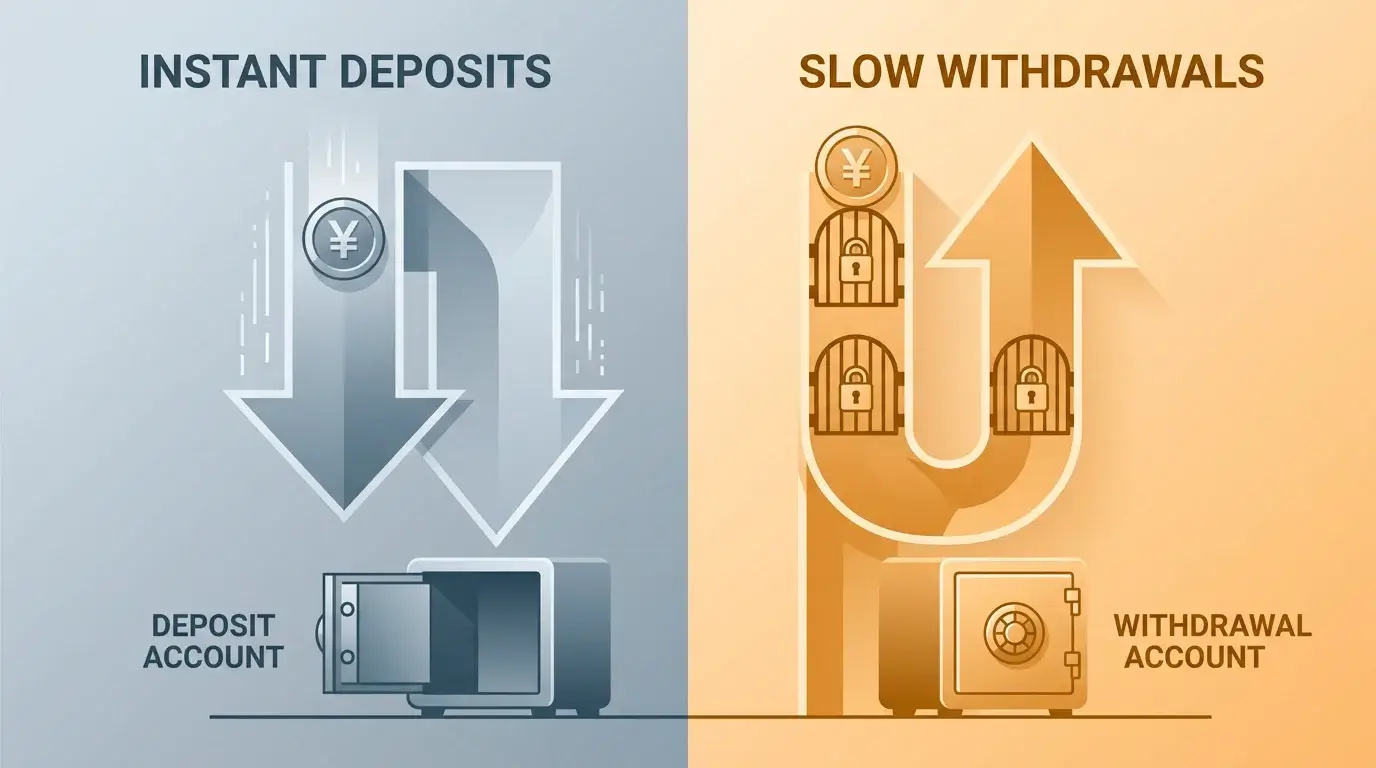
Here is the asymmetry nobody markets. Depositing is almost always quick and frictionless, whatever method you choose, because the site wants your money in fast. Withdrawing is a different experience. Crypto withdrawals are generally the quickest route out, often completing in minutes to hours once approved, which is precisely why they dominate the marketing. Card and bank withdrawals from an offshore site, by contrast, can take days, and prepaid vouchers frequently cannot be used to withdraw at all, only to deposit, leaving you to nominate a different method when you want your winnings.
The word doing the heavy lifting in all of this is approved. A crypto withdrawal is fast after the site decides to release it. The bottleneck is rarely the payment rail. It is the verification step that sits in front of it, and that step is where offshore payments most often go wrong for UK players.
- Deposits
- Usually instant across crypto, cards and e-wallets; designed to be frictionless.
- Crypto withdrawals
- Often the fastest exit once approved, but approval is the variable, not the blockchain.
- Card and bank withdrawals
- Can take several days offshore; slower than most UK-licensed sites.
- Prepaid vouchers
- Commonly deposit-only; not usable to cash out winnings.
Why no KYC is a risk, not a perk
This is the most important section on the page, so it is worth being blunt. The promise of no know-your-customer checks is marketed as anonymity and convenience, and for the deposit and play stage it broadly holds. But verification on offshore sites is usually deferred, not abolished. It is moved to the moment you try to withdraw, which is the worst possible moment for it to land. You build a balance believing you are unverified and free, and then the anti-money-laundering procedure activates exactly when your money is leaving, triggering document requests, holds and, in the unhappy cases, outright refusals.
The mechanism is straightforward once you see it. A site that takes deposits with no checks still has to manage money-laundering exposure somehow, and the cheapest way to do that is to verify only the people who win enough to cash out. So the players who never withdraw are never bothered, and the players who do withdraw discover the checks they thought did not exist. Framing this as a benefit is misleading, because the absence of up-front KYC does not mean the absence of KYC. It means the KYC is waiting for you at the exit. This is why we treat the safety of these sites as a genuine open question on our page asking whether non-GamStop casinos are safe.
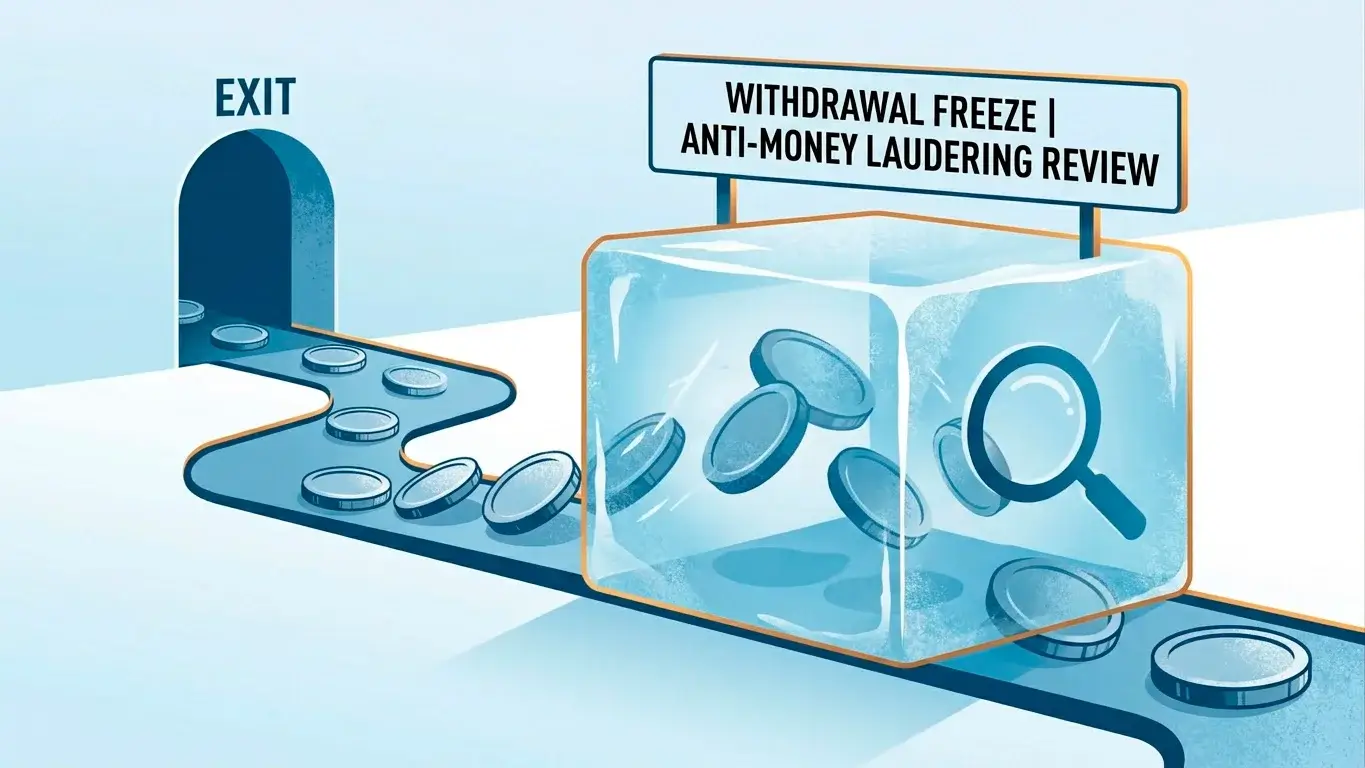
Compounding the problem, an offshore operator can attach conditions to that late verification that a player would never have accepted up front. Source-of-funds documentation, photo identity, proof of address, and bonus-term audits can all surface at once. If anything is inconsistent with the original sign-up details, the withdrawal can be held indefinitely while the operator decides. None of this is hypothetical scaremongering; it is the most common payout complaint in the sector.
The wider UK money-laundering picture, without overclaiming
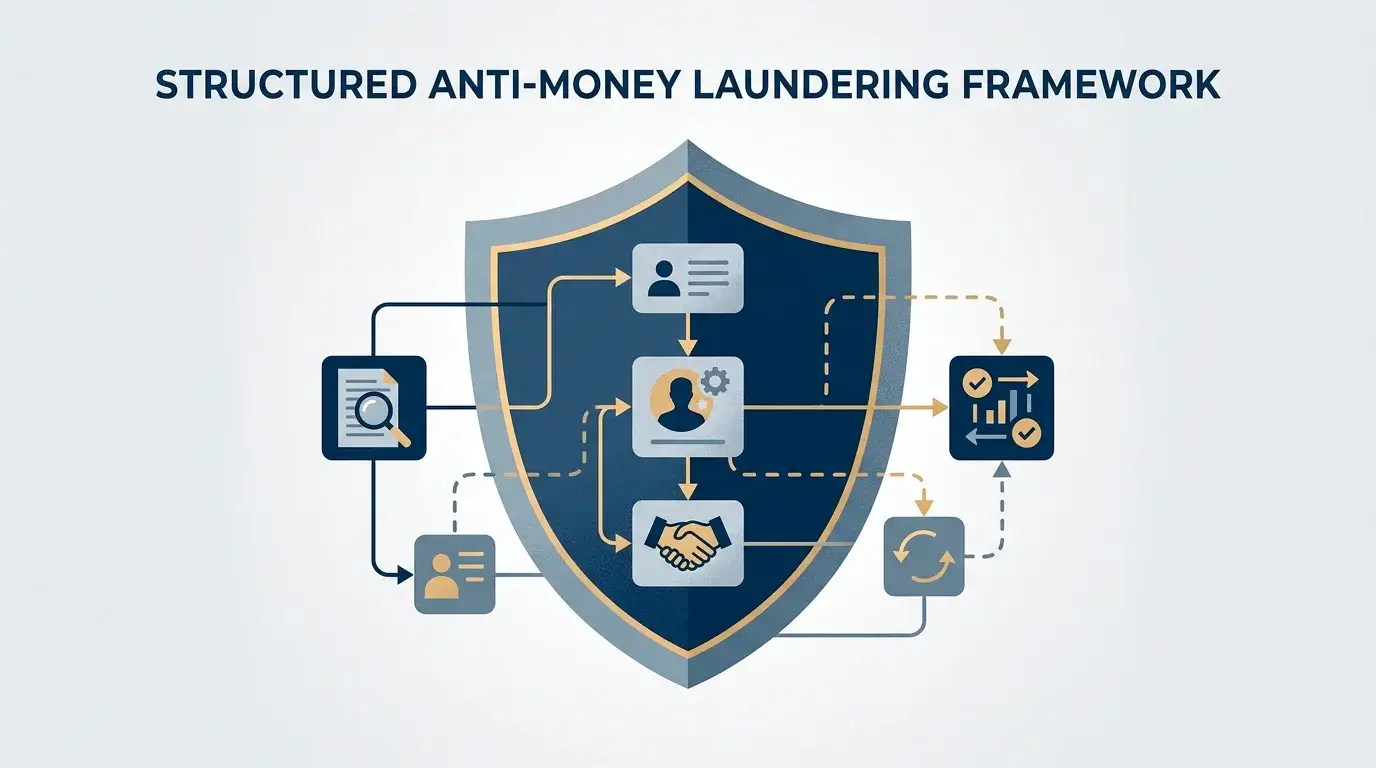
It helps to understand why verification exists at all rather than treating it as pure obstruction. The UK has a strict anti-money-laundering regime, and on the regulated market the Gambling Commission’s licence conditions require operators to know their customers and to monitor for suspicious activity. Offshore operators are not bound by UK rules, but most still operate under their own jurisdiction’s AML expectations, and the better-licensed ones, particularly under Malta, take this seriously. That is not a comfort exactly, because it is the same verification that can freeze your funds, but it does explain why even an offshore site cannot realistically promise true, permanent anonymity. Any site claiming it can is either small, unlicensed, or not being straight with you.
You can read the Commission’s payment and AML expectations for UK operators on its own site, and the broader government framework for gambling duties and money-laundering policy on the official portal. For this page the key point is modest and honest: weaker verification on the way in tends to mean unpredictable verification on the way out.
External primary sources: the Gambling Commission’s licence conditions and codes of practice at gamblingcommission.gov.uk, and UK government policy at gov.uk.
Practical steps if you are determined to play offshore
If you have weighed the risks and still intend to use a non-GamStop site, a few payment habits reduce the chance of a trapped withdrawal. Complete any verification the site offers up front rather than waiting for the cash-out stage, so the checks happen before your money is committed. Keep your registration details perfectly consistent with your identity documents, because mismatches are the most common reason for a hold. Avoid prepaid vouchers if you expect to win, since you cannot withdraw to them. Test the withdrawal process with a small amount before committing a large balance. And read the full payment and bonus terms before depositing, not after, because withdrawal caps and wagering conditions are where unexpected restrictions hide.
How these payment risks compare directly with the UK-regulated alternative is set out on our page on non-GamStop versus UKGC casinos, which puts the protections side by side. And if the appeal of frictionless deposits is starting to feel less like convenience and more like a pull you would rather not have, the page on support and safer options is the more useful place to be.

The payment reality in one line
Strip away the marketing and the payment story at a casino not on GamStop is this: getting money in is easy and getting money out depends on a verification step that has been moved to the least convenient moment. Crypto is genuinely fast once a withdrawal is approved, credit cards may be accepted in a way UK rules forbid, and vouchers will not pay you out. But the headline feature, no KYC, is not a benefit at all. It is a deferred check that can freeze your winnings precisely when you reach for them, and treating it as anything else is how players end up stuck.
What else these sites do differently: the risk assessment.
This material was created by the GamStop Review Casino team.
Related posts

Offshore Casino Licences Explained: Curacao, Malta and Anjouan

Non-GamStop vs UKGC Casinos: How They Compare for UK Players