
Non-GamStop vs UKGC Casinos: How They Compare for UK Players
 Available in GB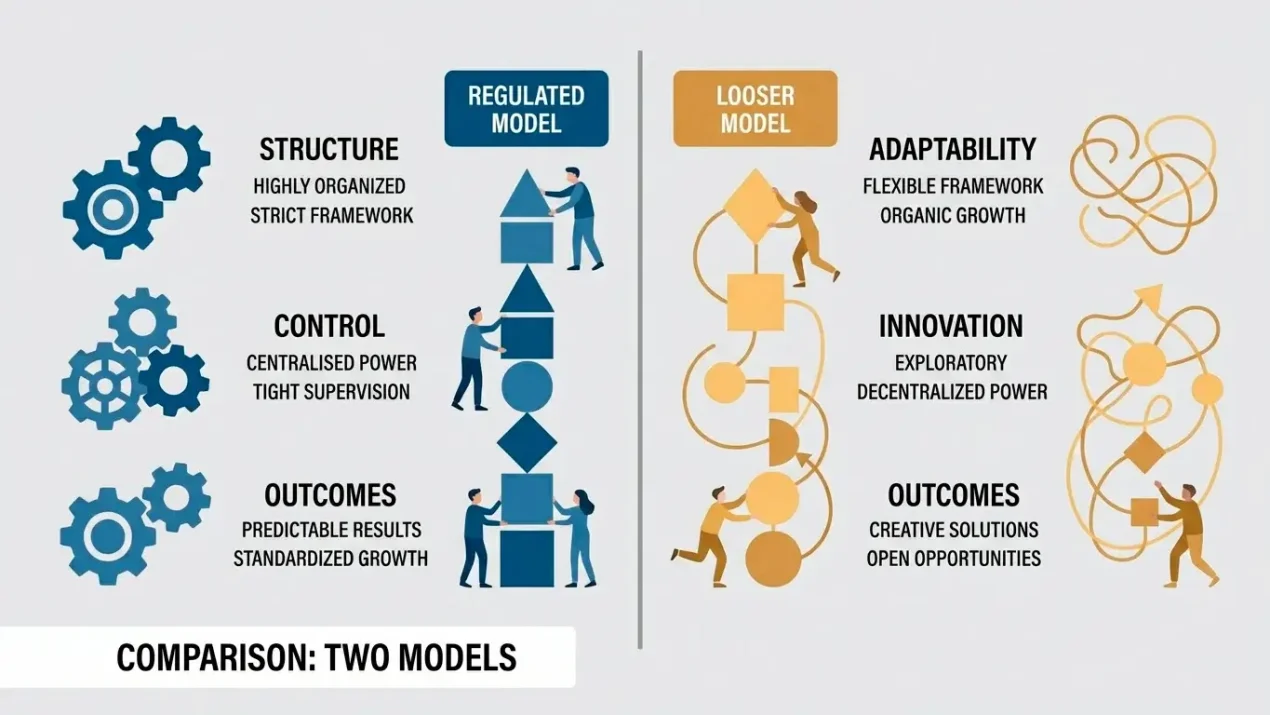
Most coverage of this comparison is written to sell you one side. This is not. The honest position is that non-GamStop and UKGC casinos represent a genuine trade-off, fewer restrictions and bigger offers on one side, stronger consumer protection on the other, and which way a sensible person leans depends on what they value and what is going on in their life. This page sets the two models next to each other across the dimensions that actually matter, names the trade-off plainly, and deliberately stops short of crowning a winner.
The full picture is in our guide to casinos not on GamStop.
The honest framing before we compare anything
It helps to be clear at the outset about the legal reality, because it shapes everything else. It is not a criminal offence for a UK resident to access an offshore casino; British gambling law targets operators, not individual players. But the same site you reach sits outside UK consumer protection, and the offshore operator that deliberately markets to British customers without a UK Gambling Commission licence is itself acting unlawfully under UK law, through the point-of-consumption regime created by the Gambling (Licensing and Advertising) Act 2014 and the underlying offences in the Gambling Act 2005. So the comparison is not “legal versus illegal for you”; it is “inside UK protection versus outside it”. If the regulatory background to that is unfamiliar, the regulatory background page covers it in full.

The two models side by side
The cleanest way to see the difference is to line the two up across the things that genuinely affect a player’s experience and security. The table below does that. Read it as a map of where the friction lives and where the protection lives, rather than as a scorecard, because the same row that reads as a downside for one player reads as an upside for another.
| Dimension | UKGC-licensed casinos | Non-GamStop (offshore) casinos |
|---|---|---|
| Regulator oversight | Supervised by the UK Gambling Commission with active enforcement | Supervised by an offshore regulator whose reach varies widely |
| Dispute resolution | Access to UK alternative dispute resolution and the Commission | No UK ADR; resolution follows the licence jurisdiction, or none at all |
| Fund protection | UKGC expectations on segregating and protecting customer money | No UKGC-level guarantee; protection depends on the operator |
| Affordability checks | Light-touch financial checks from 150 pounds net deposits a month | Often none, or only weak checks deferred to withdrawal |
| Stake and bonus limits | Slot stakes capped at 5 pounds, or 2 pounds for ages 18 to 24 | Generally no statutory stake caps; larger, looser bonuses |
| Payment options | Credit cards banned since 2020; tighter rules on methods | Broader range including crypto; sometimes credit cards |
| Legal recourse | Backed by UK law and the regulator | Outside UK protections; recourse runs through a foreign system |
The protections, in plain terms
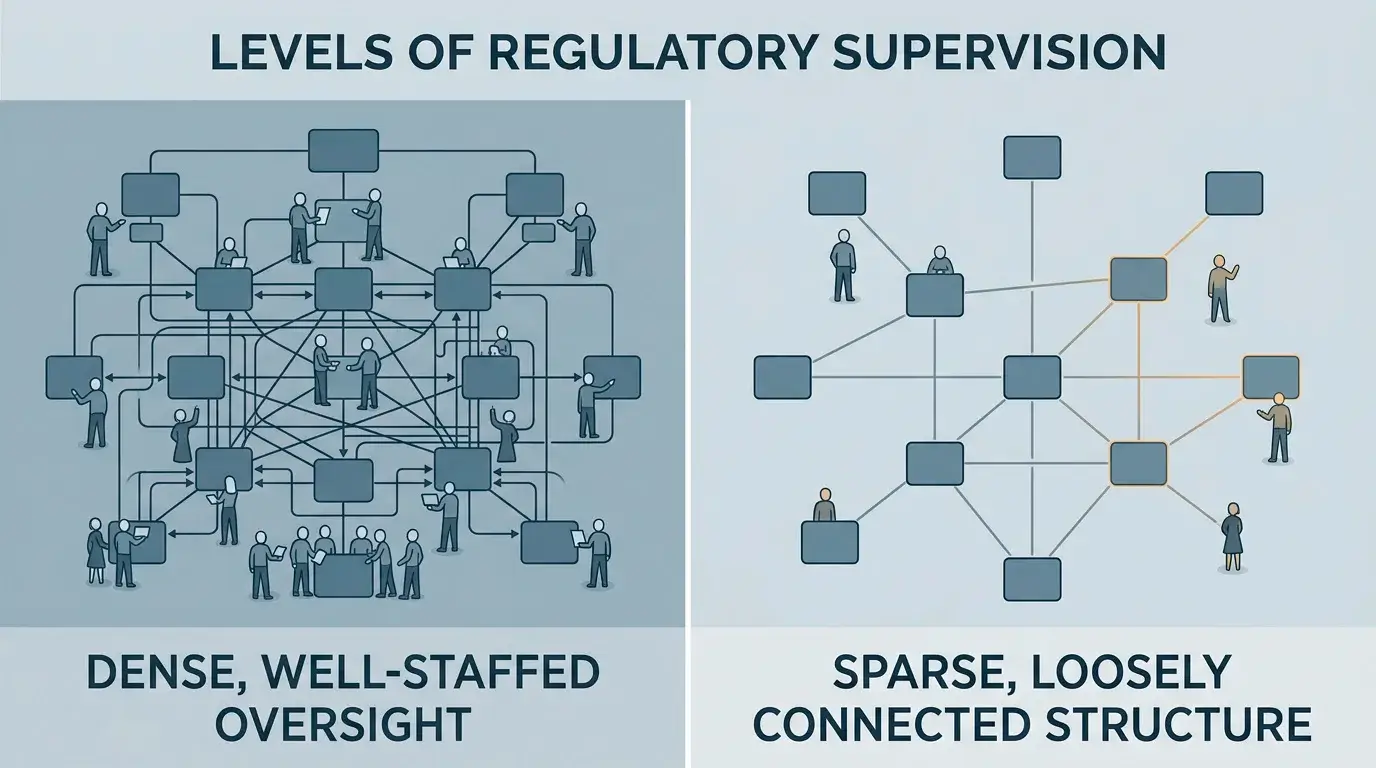
Take the protection side first, because it is the part players most often underestimate until something goes wrong. On a UKGC site, if a dispute over a withdrawal cannot be resolved with the operator, you can escalate to an approved alternative dispute resolution body, and the Commission stands behind the licence with the power to act against operators that misbehave. There are expectations on how your deposited money is handled and protected. And the affordability checks that some players find intrusive, triggered once net deposits reach one hundred and fifty pounds within a thirty-day period since February 2025, exist precisely to catch harm before it deepens. None of these has a reliable equivalent on an offshore site, where a payout dispute is governed by a foreign system and the strength of fund protection depends entirely on the operator and its regulator.
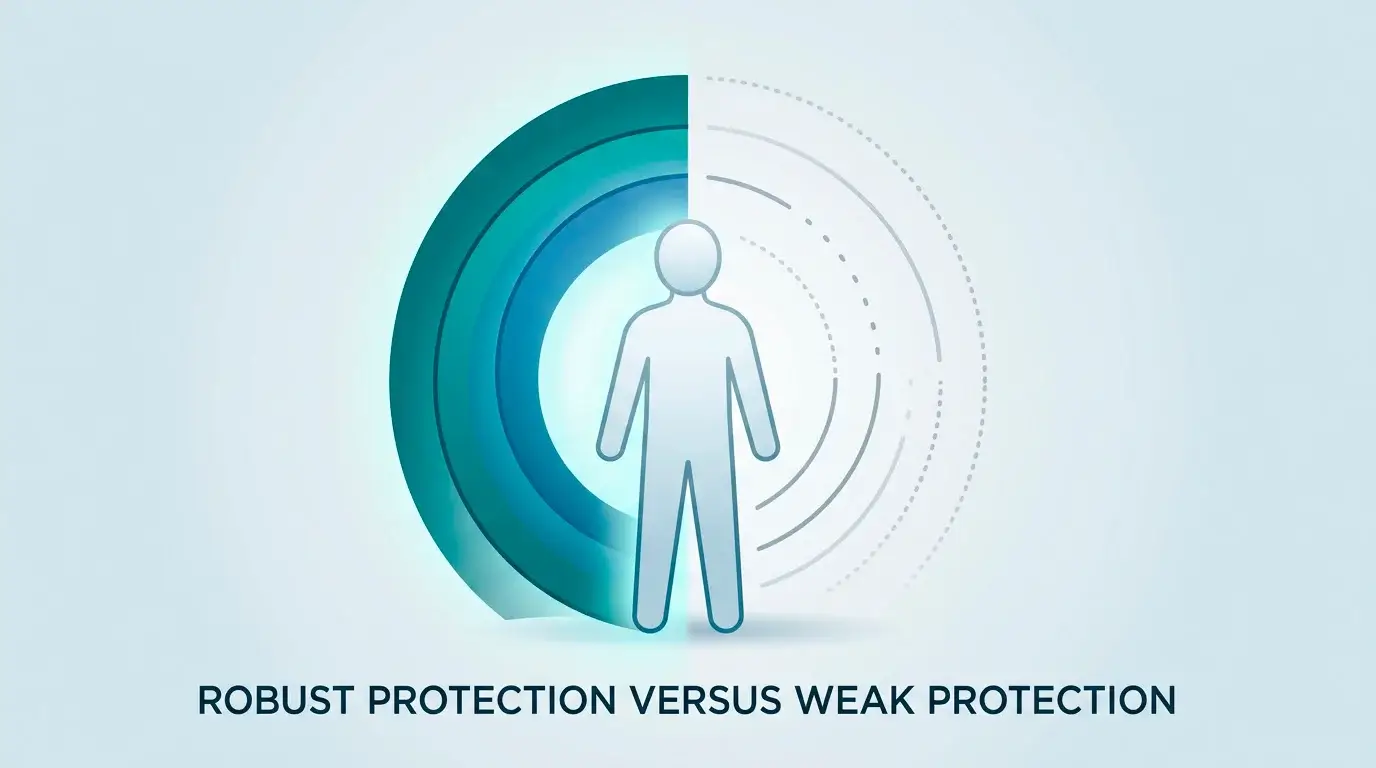
The verification picture is a good illustration of how the same feature cuts both ways. On UKGC sites, identity and affordability checks are robust and applied early, which is friction at sign-up. On many offshore sites, those checks are lighter or pushed back to the moment you try to withdraw, which feels frictionless at first and then becomes the single biggest practical risk to actually getting paid. That dynamic is important enough that we have given it a page of its own, on the offshore licences behind these sites and, more directly, on the wider honest risk assessment.
The trade-off players actually perceive
Now the other side, honestly stated. The reason offshore sites attract anyone at all is that they remove the very restrictions the regulated market has been adding. There are no statutory slot stake caps, so a player who chafes at the five-pound or two-pound limits is unconstrained. Welcome bonuses tend to be larger and the promotional terms looser, partly because offshore operators are not bound by UK bonus rules and partly because they do not carry the UK’s tax burden, including the Remote Gaming Duty that rose to forty per cent from 1 April 2026. The payment range is wider, with cryptocurrencies prominent and credit cards sometimes accepted even though they have been banned on UK sites since 2020. And on the question many people arrive with, winnings are not taxed in either case, because the UK does not tax players’ gambling winnings at all.
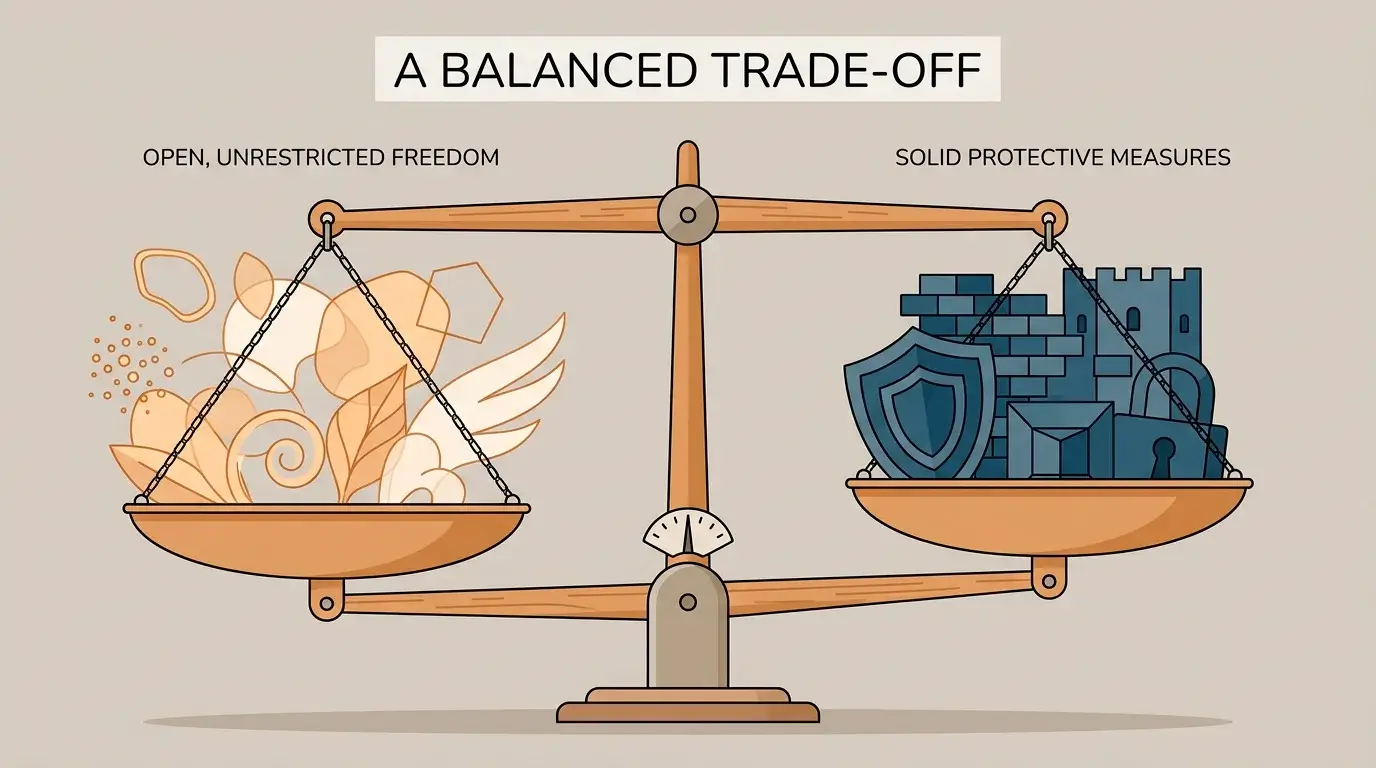
So the trade-off is real and not imaginary. Offshore sites genuinely do offer fewer restrictions, bigger offers and broader payments. The cost of all of that, every time, is the consumer protection you give up by stepping outside the regulated market: the ADR access, the fund-protection expectations, the regulator who will take your side, and the early checks designed to stop harm. A reasonable person can weigh that differently depending on their circumstances, and that is exactly why this page does not tell you which to choose. What it will say is that if an active self-exclusion is the reason you are considering the offshore side, the calculation changes completely, because then you are not trading convenience for risk but trading a safeguard you chose for the thing it was protecting you from.
Why there is no verdict here
Declaring a winner would be dishonest, because the right answer is not the same for everyone. A casual player who values strong recourse and does not mind affordability checks is plainly better served inside the regulated market. A different player, fully in control, who simply prefers crypto payments and bigger bonuses, is making an informed choice about a different balance of risk. What matters is that the choice is informed, that the protections being given up are understood rather than glossed over, and that nobody talks themselves into the offshore route while ignoring a self-exclusion they set for good reason. For the practical comparison of specific operators, with a risk marker on every row, go to the neutral comparison guide. And if any of this is touching a nerve, the support section below is there for exactly that.
The regulatory background is in UK gambling regulation.

This material was created by the GamStop Review Casino team.
Related posts

Offshore Casino Licences Explained: Curacao, Malta and Anjouan

What “Casino Not on GamStop” Really Means