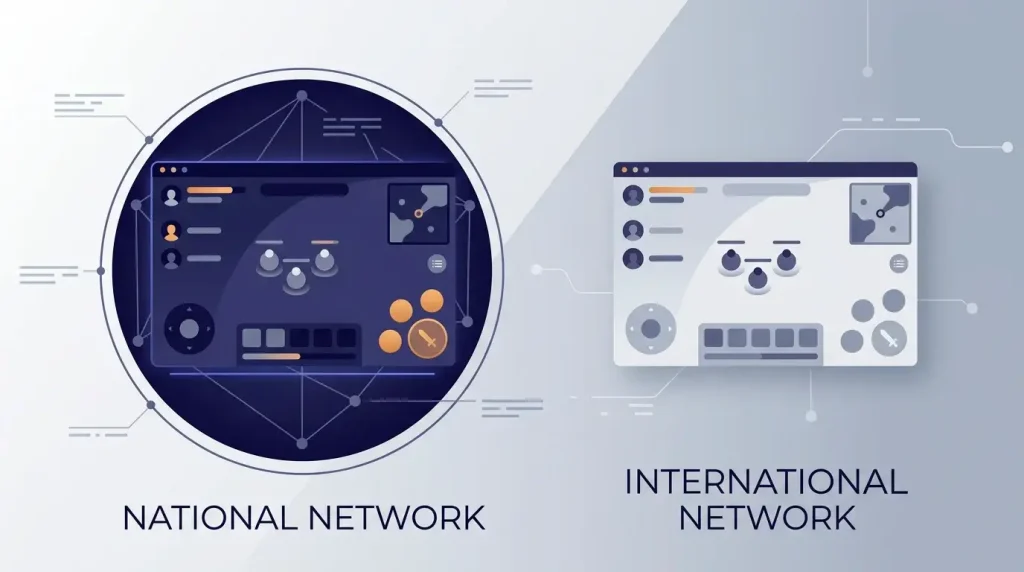
Are Non-GamStop Casinos Safe? An Honest Risk Assessment
 Available in GB
If you have searched for casinos not on GamStop, the question underneath nearly every other question is a simple one: are these sites actually safe? The honest answer is that safety is not a yes or no. It sits on a spectrum, and where a particular site lands depends almost entirely on where it is licensed, how it handles your money, and how it treats verification. This page is a risk assessment, not a reassurance piece. It walks through the specific things that can go wrong, why they go wrong, and the practical checks you can run before you ever deposit a penny.
The full picture is in our guide to casinos not on GamStop.
The core issue: you step outside UK protection
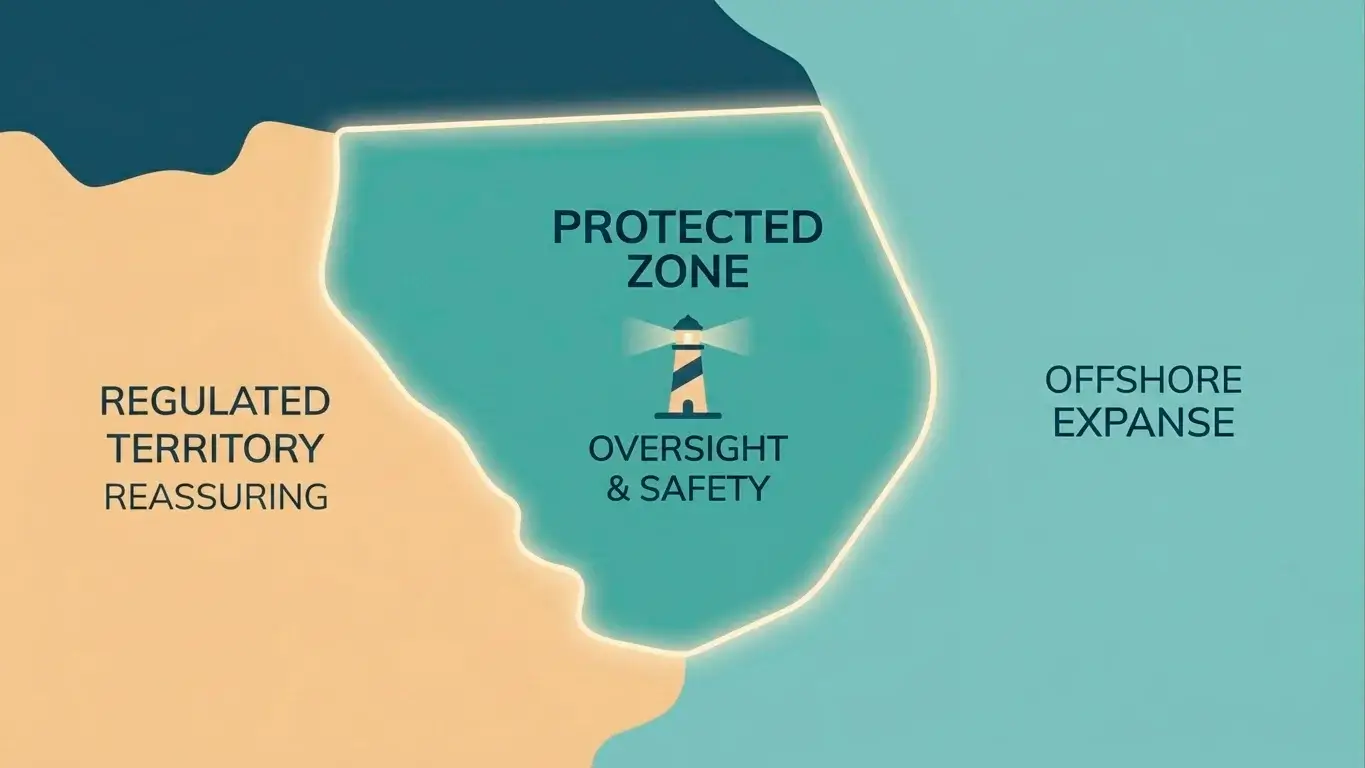
The single most important thing to understand is that a casino not on GamStop is, by definition, not licensed by the UK Gambling Commission. That is the whole reason it sits outside the GamStop network in the first place. GamStop participation is a licence condition only for operators that the Commission regulates, so an offshore site that holds a Curacao, Malta or Anjouan licence is simply not part of the British system. When you play on one, you are no longer a UK-protected consumer. You are a customer of a company that answers to a regulator in another jurisdiction, under that country’s law, with that country’s enforcement appetite.
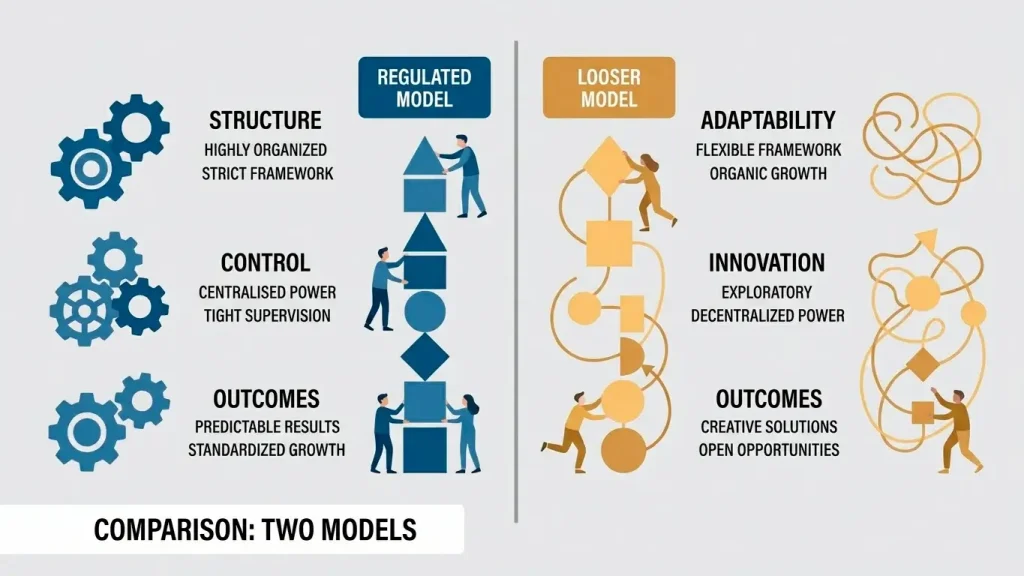
This does not make every offshore site a scam. Plenty operate for years and pay players without drama. But it does mean the safety net you take for granted on a British site is gone. There is no UK regulator to escalate a complaint to, no British rules forcing the operator to ring-fence your balance, and no Financial Ombudsman style backstop. The risk is structural, not occasional, and it applies even to the better-run sites. If you want the full side-by-side, our page on how the two compare for UK players lays out each protection line by line. The licensing detail behind those sites is covered in the licences behind these sites.
Dispute resolution: who do you turn to when it goes wrong?
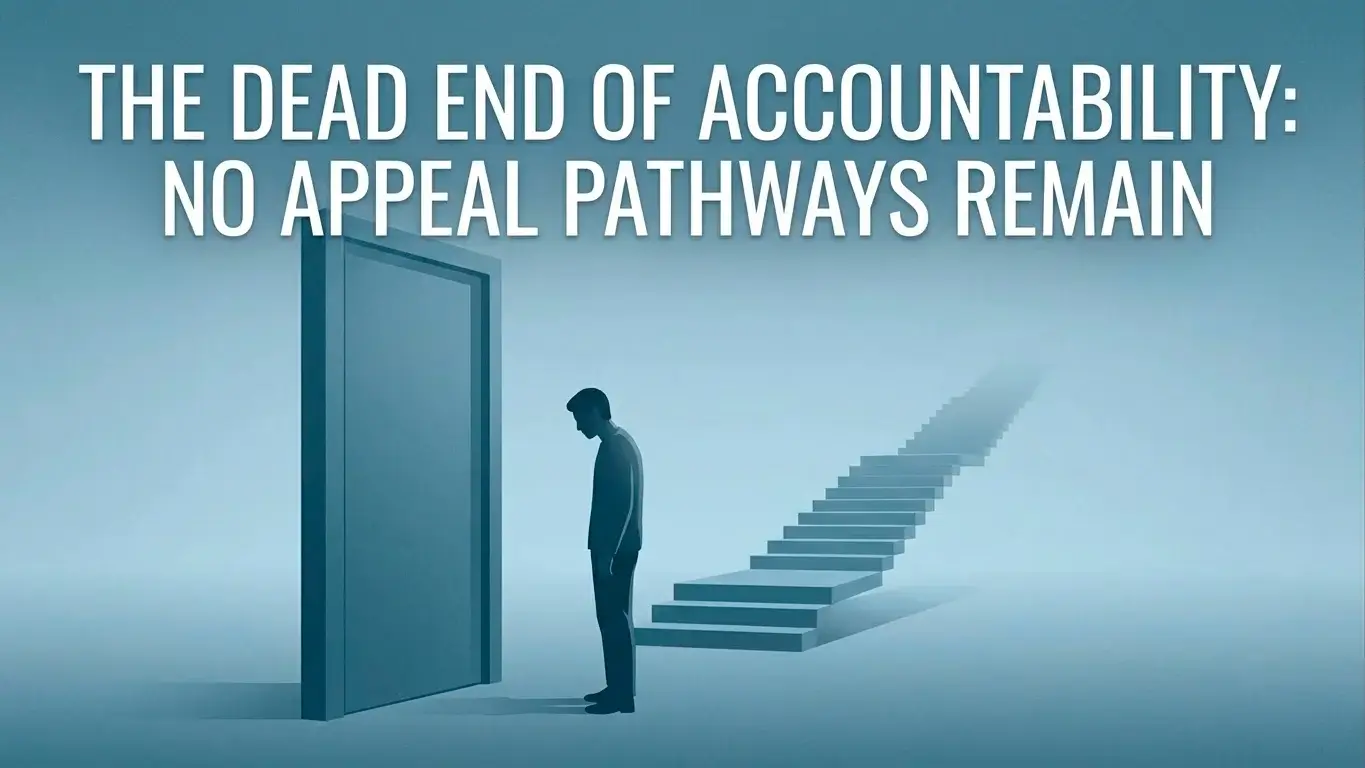
On a UKGC site, a dispute that you cannot resolve directly can be taken to an approved alternative dispute resolution (ADR) provider, free of charge, and the Commission sits above all of it. Offshore, this is where the picture fragments. There is no access to UK ADR at all. On Curacao, the 2024 reform under the National Ordinance on Games of Chance made ADR mechanisms a requirement for licensees, which is a genuine improvement on the old free-for-all, but the quality and responsiveness of those mechanisms still varies a great deal. Sites operating with no clear licence at all may offer no dispute route whatsoever beyond emailing support and hoping.
The practical consequence is that if a withdrawal is refused or a bonus is voided in a way you think is unfair, your leverage is limited. You cannot threaten escalation to a regulator that the operator fears, because the operator may not fear its own regulator much, and certainly does not answer to the British one. You can read more about how UK regulation is structured on the regulation hub, which makes the contrast easier to see.
Where is your money, really?
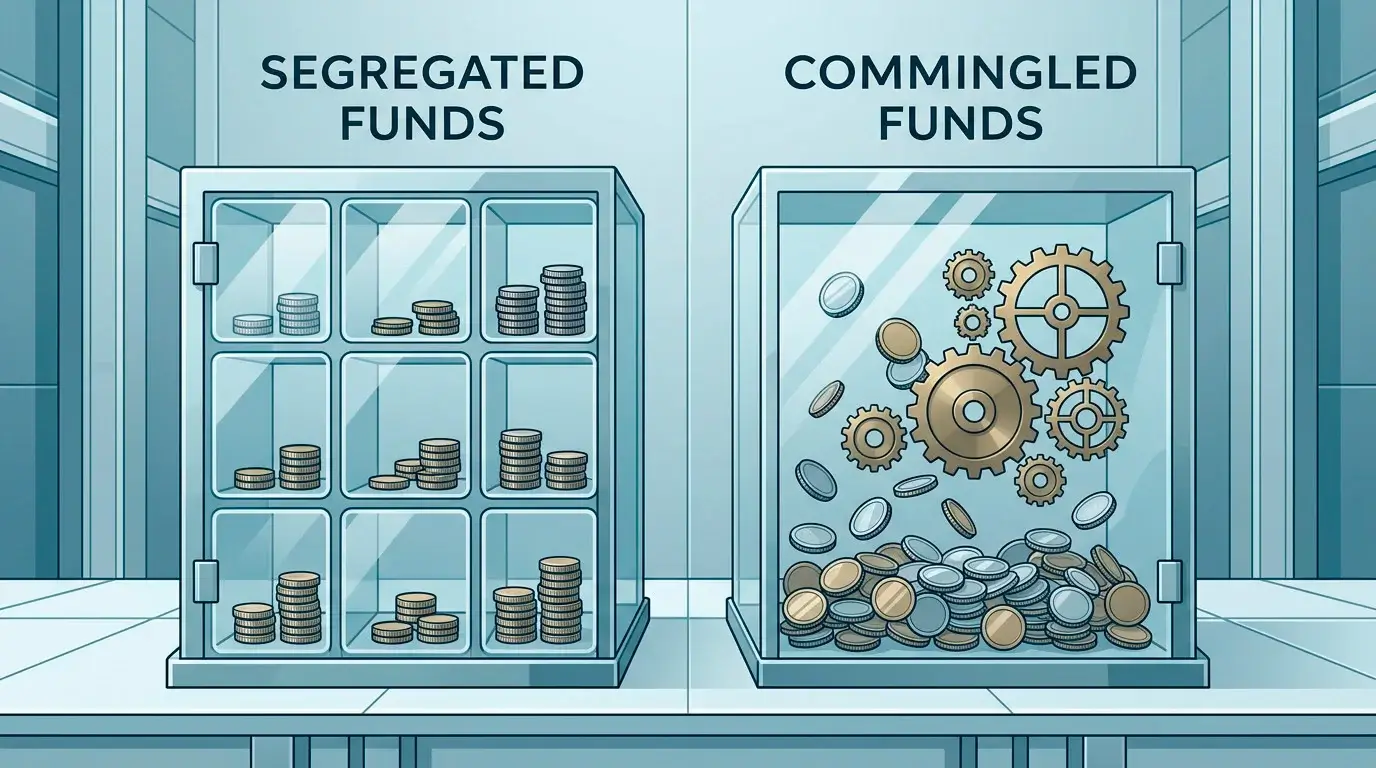
UK-licensed operators are required to be clear about how they hold customer funds, and the higher tiers of protection keep player balances separate from company money so that, in the event of insolvency, customers are not simply unsecured creditors. Offshore, there is generally no equivalent guarantee. Your deposited balance and any winnings may be commingled with the operator’s working capital. If the company runs into trouble, disappears, or simply decides to stall, your route to recovery runs through the courts of whichever country issued the licence, which for most UK players is neither cheap nor realistic.
Even a fully licensed offshore operator can lawfully apply terms that let it withhold or delay funds under certain conditions, and those terms are written under a legal system you do not know. The lesson is not that every site will steal from you. It is that the structural assurances which make a balance feel safe on a British site are mostly absent, so the operator’s own integrity is doing far more of the work than you might assume.
Weak KYC sounds convenient until you try to withdraw
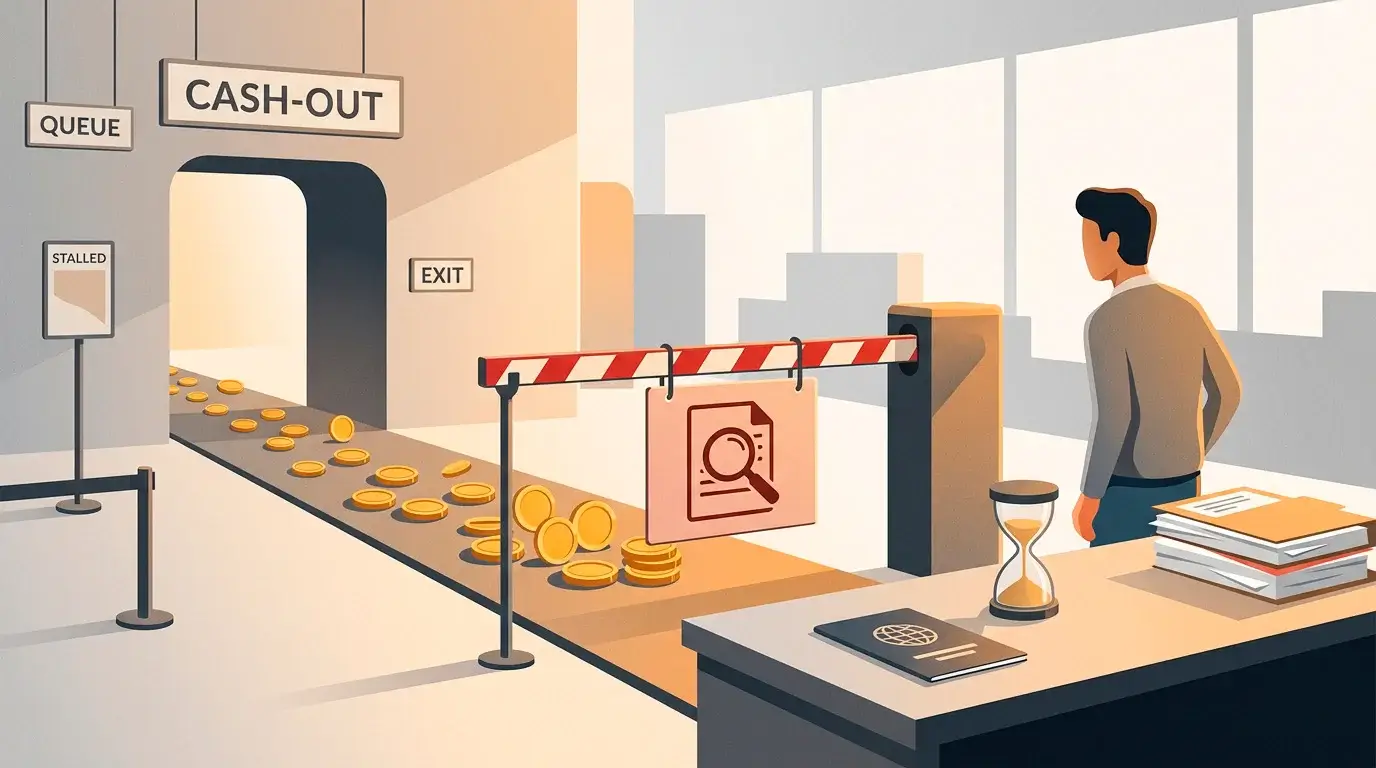
One of the most heavily marketed features of non-GamStop sites is light or deferred identity verification. It feels like an advantage at sign-up, because you can deposit and play quickly. The catch is that verification is frequently pushed to the withdrawal stage rather than skipped entirely. When you try to cash out, the site runs anti-money-laundering and know-your-customer checks at precisely the moment your money is on the line, and that is where things stall. Players report documents being requested repeatedly, withdrawals frozen pending review, and in some cases winnings refused on the grounds that earlier terms were breached.
This is the single biggest practical payout risk on offshore sites, and it is the opposite of how it is sold. A site that asked for your ID up front would be less convenient but far less likely to trap your funds later. We go into this in much more detail, including how crypto and no-KYC framing can mislead, on the page covering crypto and no-KYC payment risks.
Rogue operators and the domain-cycling problem
The offshore non-GamStop space includes a meaningful number of sites that are not run in good faith at all. A recurring pattern is domain cycling: an operator launches under one name, attracts deposits, accumulates complaints, then quietly closes that domain and reopens under a fresh one, leaving aggrieved players with no forwarding address. Because barriers to entry are low in the cheaper licensing jurisdictions, new sites appear constantly, and a slick front end tells you almost nothing about whether the people behind it intend to pay you.
Red flags worth treating seriously include bonus terms that are vague or buried, withdrawal limits so low that a large win would take months to extract, support that only exists as a web form, no verifiable licensing detail you can check against a regulator’s public register, and reviews that cluster suspiciously around unpaid withdrawals. None of these guarantees a problem, but several together should stop you.
Quick red-flag checklist before you deposit
Can you find a licence number and confirm it on the regulator’s own public register? Are the full bonus and withdrawal terms readable before you sign up, not after? Is there a withdrawal cap that would make a real win impractical to collect? Does the site offer any contact route beyond a form? Do independent complaint reports cluster around non-payment? If you cannot answer the first question with a clear yes, treat the rest with caution.
UK enforcement is closing in, and that is a risk to you too
There is a risk many guides ignore: the British authorities are actively working against these sites, which can affect your access without warning. In its 2025 enforcement work the Gambling Commission identified over a thousand illegal operators targeting British consumers and referred close to a hundred thousand URLs to search engines that year, pushing its running total towards two hundred thousand, with large numbers of sites delisted, taken down or geo-blocked. Because operators targeting UK customers without a UKGC licence are acting unlawfully under UK law, a site you are using can vanish from search, lose its payment routes, or become unreachable, potentially while your balance is still sitting on it.
You can verify the Commission’s own published enforcement metrics directly on its site, and the legal basis for treating UK-facing unlicensed operation as an offence sits in the Gambling Act 2005. The takeaway for safety is blunt: an offshore account is not a stable place to keep money, partly because the operator may fail you and partly because UK enforcement may remove the site from under you.
External primary sources for this section: the Gambling Commission’s enforcement reporting at gamblingcommission.gov.uk, and the GamStop scheme itself at gamstop.co.uk.

If you joined GamStop for a reason, this question changes
There is one situation where the safety question is not really about the operator at all. If you registered with GamStop because you were struggling to control your gambling, then the safest non-GamStop site in the world is still working against the thing you set out to do. The technical risks above are real, but the deeper risk is to you, not your wallet. Self-exclusion exists precisely so that an impulse in a difficult moment cannot be acted on instantly, and seeking out a site that ignores it removes that protection.
If that describes your position, the most useful pages on this site are not the comparisons. They are the ones on responsible gambling support and safer alternatives and, when your period ends, coming off GamStop the legitimate way. There is free, confidential help available right now, and you do not have to wait until things feel worse to use it.
Where these sites are licensed: the offshore licences.
So, are they safe? A realistic verdict
Putting it plainly: a casino not on GamStop can range from a long-running offshore operator that pays without fuss to an outright trap that exists to swallow deposits, and from the outside the two can look almost identical. What is consistent across all of them is the absence of UK consumer protection, the weaker or non-existent dispute routes, the lack of fund-segregation guarantees, the withdrawal-stage verification risk, and the live possibility that UK enforcement removes the site from your reach. The better offshore licences, particularly Malta, narrow some of these gaps; the cheaper ones and unlicensed sites widen them sharply. Whether the trade-off is worth it is a decision only you can make, but you should make it knowing the net is gone, not assuming it is still there.
This material was created by the GamStop Review Casino team.
Related posts

Offshore Casino Licences Explained: Curacao, Malta and Anjouan
Non-GamStop vs UKGC Casinos: How They Compare for UK Players