
Best Online Casino Payment Methods in the UK
 Available in GB
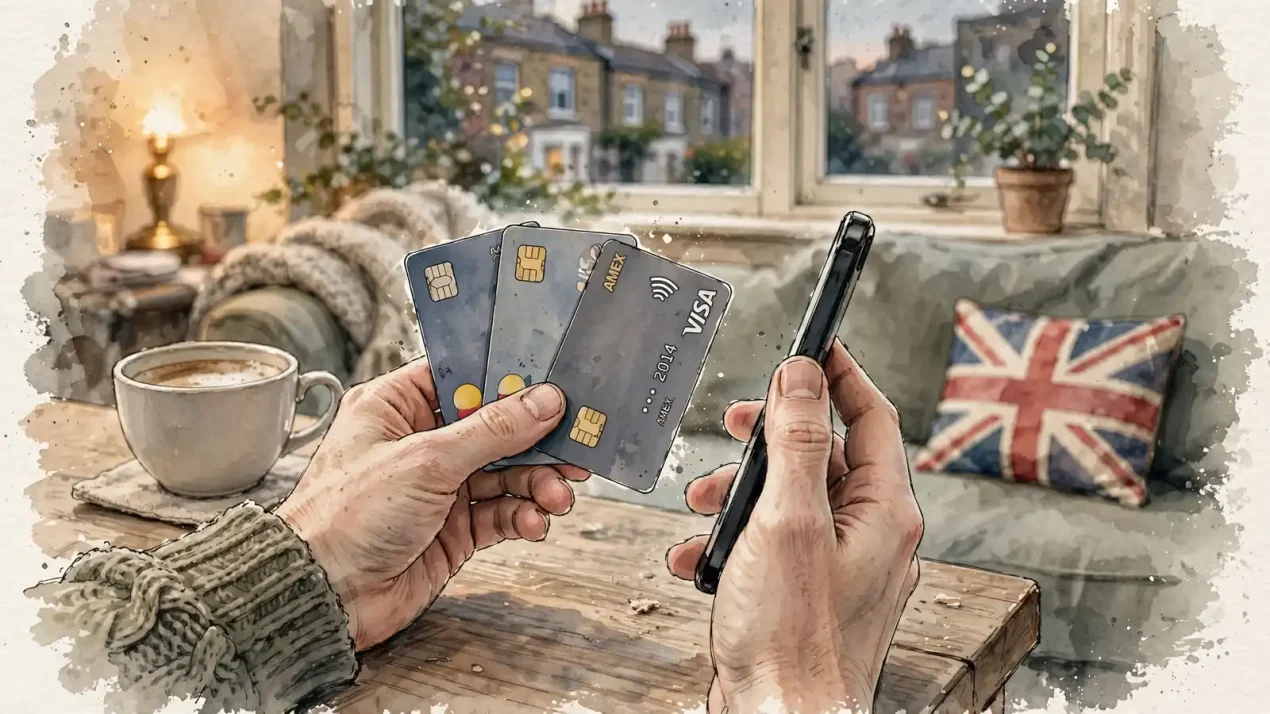
Learn how deposits, withdrawals, payment acceptance and bonus rules affect the way casino funds move.
How Casino Payments Work in Britain
An online casino deposit method is the route by which money moves into a gambling account; the withdrawal method is the route by which available winnings leave it. The distinction sounds mechanical, but it governs the whole transaction. A casino may display several ways to fund an account while applying different rules when money is taken out. The account holder’s name, payment records and identity checks must align before a withdrawal can be processed.
For British customers, the first boundary is legal. Remote operators serving Great Britain must hold a licence from the UK Gambling Commission. Online gambling is legal for people aged 18 and over only where the operator has that licence. Northern Ireland sits outside the territorial scope of the Gambling Act 2005, which governs England, Wales and Scotland; that distinction belongs to the legal framework, not to the appearance of a checkout page.
Age verification takes place before a customer can deposit. New customers must also be prompted to set a financial limit before their first deposit, with account-level controls available afterwards. A payment screen is therefore not merely a cash register. It is part of a system designed to establish identity, record transactions and place a pause before play begins.
Debit card casino payments in the UK are shaped by a firm prohibition: licensed casinos cannot accept credit cards for gambling. That includes credit-card funding routed through a money service business. Wallets cannot be used where they allow credit-card funds to finance gambling either. A debit card, by contrast, draws on an available bank balance rather than a line of credit, although the casino and the card issuer still determine whether the transaction is accepted.
The same method may not serve both sides of the journey. A deposit route can be available for putting funds in, while withdrawals may require a bank-linked route or additional verification. The practical question is not simply which logo appears at the cashier, but whether the route fits the entire deposit-to-withdrawal process.
British regulation also gives the transaction a paper trail of sorts: licensed operators must offer an internal complaints process and access to approved Alternative Dispute Resolution. Money enters the account under rules; money leaves under them too.
Online Casino Cashback Bonuses: Terms and Real Value
Choosing a Payment Method Without Losing Sight of the Terms
The phrase “best online casino payment methods UK” sounds as though the subject were a neat table with one winner at the top. Money rarely behaves so politely. A deposit method has to fit the account, the casino’s checkout, the intended use of the funds and, where a welcome bonus is involved, the offer’s own conditions. A method can be familiar, simple to access and entirely unsuitable for a particular promotion.
The first distinction is between the route used to move money and the account from which that money comes. Cards, bank-linked services, digital wallets, mobile billing and voucher-style deposits do not create the same transaction trail. Some connect directly to a bank account; others use a separate balance; a voucher is purchased before it reaches the casino at all. That difference can affect verification, refunds, withdrawal arrangements and the information visible in the casino account.
It also matters that British gambling rules do not treat every funding route as interchangeable. UK-licensed casinos cannot accept credit cards for gambling. The restriction also reaches credit-card funding routed through a money service business, and a wallet cannot be used where its structure permits credit-card funds to finance gambling. The useful question is therefore not merely whether a logo appears at the cashier, but whether the money entering the account comes through an allowed route.
What makes one deposit method more suitable than another?
A comparison becomes clearer when the methods are judged by practical features rather than by a vague idea of convenience.
- Funding source: whether the money comes from a bank account, a separately held wallet balance, a mobile account or a prepaid voucher.
- Casino compatibility: whether the particular operator has enabled that route for deposits, withdrawals or both.
- Account matching: whether the payment account must correspond with the registered casino account and whether extra checks may follow.
- Transaction record: how clearly deposits and withdrawals can be identified in statements or within the payment service.
- Offer treatment: whether a deposit made through that route counts towards a welcome bonus or another promotion.
- Control and limits: whether the route sits comfortably alongside the financial-limit tools required on a British-licensed gambling account.
These are not interchangeable virtues. A deposit method that keeps spending separate from an everyday bank account may be attractive for budgeting, while a bank-linked route may make the source of funds more apparent. A voucher can avoid sharing card details with the casino, but it may not provide the same route back when winnings are withdrawn. The most suitable choice depends on what the transaction is meant to do, not on the method’s reputation in isolation.
The cashier itself deserves a little suspicion—not because it is necessarily deceptive, but because it presents availability as though availability were the whole story. A payment symbol may indicate that deposits are possible while saying nothing about withdrawals. Another route may be available only after identity checks, or only for particular currencies or account arrangements. The payment page is a starting point, not a contract.
The offer can change the answer
Welcome offers are especially capable of turning a sensible-looking choice into an ineligible one. A specialist review notes that many such deals are restricted to new customers, limited to one per household and sometimes unavailable when an e-wallet is used. Those conditions are not universal law; they belong to the individual promotion and can change with the terms.
Welcome Bonus Eligibility
Many welcome offers are restricted to new customers and may exclude certain payment methods, such as e-wallets. Always check the specific terms of the promotion before depositing.
That makes the order of events important. Opening an account, selecting a deposit route and accepting a welcome bonus are connected decisions. If the offer requires a qualifying deposit through a particular channel, using another route may leave the money deposited but the bonus unclaimed. The same applies where an offer needs an opt-in or a promotional code: the payment itself does not prove that the promotion has been activated.
The wording around eligibility is often more important than the headline. “New customer” may sit beside restrictions concerning previous accounts, shared households, payment ownership or excluded deposit methods. The attractive number at the front of an offer is therefore only one part of the arrangement. A payment route can be perfectly valid for ordinary play and still fail the separate definition of a qualifying deposit.
A useful comparison before depositing
A short check can prevent the payment method from becoming the most expensive part of a promotion:
- Confirm that the account is with a current UK Gambling Commission licensee and that the registered details match the payment account where required.
- Identify whether the route is intended for deposits, withdrawals or both.
- Check the funding source, particularly where a wallet or intermediary is involved.
- Read the welcome bonus section for excluded methods, opt-in steps and qualifying-deposit wording.
- Note any account-level financial-limit prompt before the first deposit.
- Keep the transaction confirmation and the offer terms that applied at the time.
The point is not to crown the best casino payment method UK-wide. There is no honest universal winner when acceptance and promotional treatment vary by operator. The better comparison is narrower: which route is permitted, recorded clearly, compatible with the intended withdrawal path and accepted by the relevant offer? That is less glamorous than a ranking, but money has never been especially impressed by glamour.
The payment method is part of the terms.
Casino Bonuses: Free Spins and No-Wagering Offers
Recommended online casinos
- SpinFormulaBonus: 550% Up To £15,000 + 550 FS · Payout speed: 1-3 business days
- NightWinBonus: £900 + 400 free spins · Payout speed: 1-3 business days
- EvoSpinBonus: 125% up to €2500 + 125 Free Spins · Payout speed: 1-3 business days
- WinBeastBonus: €5000 + 500 FS + €650 Freebet · Payout speed: 1-3 business days
- DieselwinBonus: Welcome Pack 250% up to £4000 + 200 FS · Payout speed: 1-3 business days
- ZombillionBonus: Welcome Pack 250% up to £4000 + 200 FS · Payout speed: 1-3 business days
- ChanzeBonus: Slots Welcome Bonus #1 200% up to €500 · Payout speed: 1-3 business days
- BritsinoBonus: Welcome Package – Get your £2,200 + 2,000 FS · Payout speed: 1-3 business days
- NightLuckBonus: Welcome Pack + 805% Up To 6400€ + 280 FS · Payout speed: 1-3 business days
- AmunbetBonus: Join now and get 450% up to 2,700 GBP + 450 FS · Payout speed: 1-3 business days
Mobile Payments and the Small Screen
A casino session on a phone is not simply a desktop session reduced to a smaller rectangle. The payment stage has its own geography: a narrow screen, a virtual keyboard, a banking app waiting behind the browser, and the persistent possibility that the connection will change between Wi-Fi and mobile data. What looks like a minor interface detail can decide whether a deposit is completed cleanly or abandoned halfway through.
A mobile payment casino should therefore make the transaction visible rather than mysterious. The deposit page needs to load properly on a phone, display the available deposit methods without forcing horizontal scrolling, and distinguish clearly between the amount being entered and any promotional condition attached to it. A button hidden below an expanding panel is not a banking innovation. It is merely an obstacle wearing modern clothing.
The phone as the payment device
Mobile casino payments can take several forms, although the device itself does not determine the underlying route. A phone may display a card form, open a separate banking authorisation page, connect to a digital wallet, or send a charge through a mobile account. These are different mechanisms even when the transaction begins in the same browser.
Online Casino with a 600% Bonus: How It Works
The important distinction is between paying through a phone and paying from the phone bill. A mobile phone payment casino may describe an ordinary deposit made on a handset, while phone bill payment refers to a charge routed through a mobile account. The wording is close; the financial consequences are not. A browser used on a phone does not turn every deposit into mobile billing.
For a phone-first session, the sequence matters. The casino account is opened, age verification is completed, and the operator prompts a new customer to set a financial limit before the first deposit. The chosen deposit method then takes the transaction into its own authorisation process. A bank application may require a separate confirmation; a wallet may request its own sign-in; a mobile-billed route may use the telephone account. The smaller screen does not remove any of these stages. It merely gives them less room to explain themselves.
What a well-designed checkout should show
A usable mobile checkout keeps four things in view:
- the selected deposit method;
- the amount entered;
- the destination of the authorisation request;
- the status of the transaction after confirmation.
This is especially important when an external application opens and the casino page is left in the background. Returning to the browser does not always mean that the deposit has been credited. The account balance and transaction history are better evidence than a reassuring animation or a page that appears to have refreshed.
The same care applies to withdrawals. A method displayed for deposits may not be available for taking funds out, and a phone-friendly interface does not change that distinction. The withdrawal route may involve separate verification or account checks. Treating the deposit screen as a promise about the entire payment relationship is an easy mistake, encouraged by tidy icons and very little text.
Limits, cards and mobile wallets
The British rules shape mobile payments as firmly as they shape desktop transactions. UK-licensed casinos cannot accept credit cards for gambling, including credit-card funding routed through a money service business. A wallet cannot be used as a workaround where it permits credit-card funds to be used for gambling. The fact that a phone hides the funding source behind an app does not make the source irrelevant.
That is why a mobile wallet must be understood as a container, not as a magic change of identity for the money inside it. A debit-funded wallet and a credit-funded wallet may look similar during checkout, yet the underlying funding source remains significant. The casino’s payment controls and the wallet’s own rules must align.
Financial limits also belong to the mobile experience, not just to an account settings page visited once and forgotten. Remote operators must prompt new customers to set a financial limit before the first deposit and provide accessible controls at account level. On a phone, those controls should be findable without navigating through a maze of promotional banners. A responsible-gambling measure that cannot be located on the small screen is technically present and practically absent.
Newest Online Casinos with No-Deposit Spins
The casino session between interruptions
Phones invite interruption. A call arrives, the browser is minimised, a banking application takes focus, or the connection changes while the payment is being approved. The sensible response is not to repeat the deposit immediately. Duplicate attempts can create confusion about whether the first transaction succeeded, failed, or is still being processed.
The account balance, transaction record and any confirmation from the deposit service should be checked before another attempt is made. If the status remains unclear, the operator’s support route is preferable to improvisation. A payment page is not a slot reel: pressing the same control again does not improve the odds.
The game itself creates another mobile consideration. Online slot autoplay is banned in Britain, and online slot spins must last at least two and a half seconds. A phone-first casino session therefore cannot be built around automated rapid play. Mobile payment is only the gateway; it does not loosen the rules that govern the games reached after the deposit.
A practical mobile-payment checklist
Before treating a phone-based deposit as complete, the following points deserve attention:
- The operator serves the British market under a current UK Gambling Commission licence.
- The account has passed the required age checks.
- A financial limit has been set before the first deposit.
- The funding source is permitted and does not involve a credit card.
- The amount and any relevant offer condition are visible before confirmation.
- The transaction status is checked after returning from another application.
- The casino balance and transaction history agree with the payment confirmation.
A small screen can make a payment feel immediate, but immediacy is not the same as clarity. The best mobile payment experience is the one that leaves a precise record of what happened, where the money came from and what the account now permits. Everything else is interface decoration.
Payment Brands, Casino Acceptance and the Fine Print
A payment brand is not a passport accepted at every casino door. Its logo may appear in one cashier and be absent from another, even when both sites serve customers in Britain. Acceptance is a commercial and technical decision made by the operator, its payment processors and the rules governing remote gambling.
That is why lists of casinos accepting PayPal, Apple Pay, Google Pay, Revolut, Skrill, Neteller or Paysafecard should be read as snapshots, not permanent registers. A brand can be available for deposits but unavailable for withdrawals; it can appear only after an account has passed verification; or it may be offered to some customers while being withheld from others because of account, location or transaction checks. The name alone settles very little.
The logo is only the beginning
The sensible place to inspect availability is the casino’s cashier, followed by the payment section of its terms. The cashier shows what the operator is prepared to process at that moment. The terms explain the less decorative parts: whether the deposit method can also receive withdrawals, whether a minimum transaction applies, whether the account holder’s name must match the payment account, and whether additional verification can delay a transaction.
Debit cards illustrate the point neatly. A casino may display Visa debit or Mastercard debit while rejecting a particular card issued by a bank, a card used through an unsupported route, or a transaction that cannot be verified. A debit card is not a credit card, but that does not make every card transaction automatically acceptable. British-licensed casinos cannot accept credit cards for gambling, including credit-card funding routed through a money service business. Wallets must also prevent credit-card funds being used for gambling.
Credit Card Prohibition
Licensed casinos in the UK are strictly prohibited from accepting credit cards for gambling. This includes credit-card funding routed through a money service business.
The same distinction matters for mobile payment and digital-wallet searches. A casino with Apple Pay UK availability may not accept every card stored in Apple Pay. Google Pay may be present as a checkout button while a particular funding source is declined. Revolut may function as the underlying card or account route rather than as a separate branded option. Boku introduces another arrangement altogether, because the charge may be linked to a mobile account rather than a traditional card rail. Branding simplifies the cashier; it does not simplify the contract.
Deposit acceptance is not withdrawal acceptance
A deposit method proves that money can travel towards the casino. It does not prove that winnings can travel back by the same route. Some services are designed chiefly for funding, while operators may direct withdrawals to a bank-linked account or another verified route. The relevant question is therefore not merely whether a casino accepts Skrill, Neteller, Paysafecard or Boku, but how the complete transaction cycle works.
This is also where an apparently attractive method can become unsuitable. A voucher-based service may not behave like an account-based wallet. A mobile-billed payment may have different limits and identification requirements from a debit card. A wallet may accept funds only from a source permitted for gambling. The method’s public reputation is less important than the conditions attached to that particular cashier.
Reading a brand claim carefully
Phrases such as “casinos with PayPal” or “online casinos accepting Skrill” are useful descriptions, but they are not evidence that every operator named elsewhere accepts the service. Availability can change when processors change, when an operator adjusts its risk controls or when a payment brand changes its gambling policy. Old logos linger online with remarkable confidence.
Best Cascading Slot Games UK: How Cascades Work
A careful comparison records four separate points: whether the method is displayed, whether it supports deposits, whether it supports withdrawals, and what restrictions appear in the terms. Licence status matters as well. Every legal online casino serving Britain must hold a current UK Gambling Commission operating licence, and the licence number should be checked on the Commission’s public register before any deposit is made.
The fine print is not an appendix to the payment decision. It is the decision, written in smaller type.
PayPal, Paysafecard and the Difference Between Wallets and Vouchers
PayPal and Paysafecard can both appear in an online casino cashier, but they represent quite different ideas of payment. PayPal is an account-based wallet: money is held or routed through a personal PayPal account, and the casino transaction is linked to that account. Paysafecard is voucher-based. Its value is loaded in advance and then used through a code, rather than through an ongoing wallet relationship with the casino.
That distinction matters because the visible checkout option does not tell the whole story. A PayPal deposit may depend on the casino accepting PayPal for gambling transactions and on the wallet being funded in a permitted way. British remote operators cannot accept credit-card payments for gambling, and a wallet cannot be used where it allows credit-card funds to be used for that purpose. A familiar logo is therefore not a small legal loophole. It is only the beginning of the transaction.
Paysafecard places the emphasis elsewhere. The available balance belongs to the voucher or code, so the practical questions concern its value, redemption process and whether the casino has enabled Paysafecard deposits. A voucher can feel more separate from a bank account, but separation is not the same as universal acceptance. The cashier remains the authority.
PayPal
An account-based wallet where money is held in a personal account and linked to the casino transaction.
Paysafecard
A voucher-based method where value is loaded in advance and used via a code.
PayPal and welcome bonus eligibility
The payment route can also affect a welcome bonus. A specialist review of casino offers reports that some welcome deals exclude e-wallet deposits, which means a PayPal payment may be accepted for ordinary play while failing to qualify for the advertised promotion. The same possibility applies to other wallet-style routes where the terms name excluded methods.
Paysafecard should be checked in the same disciplined way. Its voucher character does not automatically make it eligible or ineligible. The relevant wording may distinguish cards, wallets, vouchers or particular deposit routes, and it may require the qualifying deposit to be made through an approved method. The attractive headline is not the controlling document.
Welcome deals are intended for new customers, and the terms may restrict one claim per household. Registration, payment and promotion therefore belong to the same chain: a deposit can reach the account without activating the reward attached to it. That is a dull distinction until the bonus fails to appear.
For a casino considering PayPal, the sensible comparison is between an account-linked wallet and the terms attached to the specific offer. For Paysafecard, it is between a prepaid value and the cashier’s permitted routes. Neither label substitutes for reading the payment and bonus conditions together.
Boku and Revolut: Two Different Routes to a Casino Deposit
Boku and Revolut can both appear among the deposit options at an online casino, but they represent different ideas of payment. Boku is associated with mobile billing: the charge is connected to a mobile account rather than handled as a conventional card transaction. Revolut, by contrast, is a financial account and app-based service through which a casino deposit may be funded from an available balance or an eligible linked source.
Online Casino 100% Bonus: How Deposit Matches Work
That distinction matters because the casino checkout is not merely a menu of logos. Each route has its own account relationship, verification trail and limits imposed by the operator or the underlying service. A casino with Boku payment may therefore treat the transaction differently from one accepting a Revolut-funded deposit, even when both appear under a general heading such as mobile payments.
Boku and the mobile-billed deposit
Boku’s appeal lies in separating the deposit from the ordinary card form. The payment is tied to the mobile-billing arrangement, so the transaction does not function like a direct bank transfer or a card payment. This can make Boku relevant to players who prefer to keep gambling transactions away from their main banking card, although the mobile provider’s own conditions still form part of the chain.
Availability is the first practical question. A Boku payment casino must have the service enabled in its cashier, and the mobile network or account must also support the transaction. The presence of a Boku logo on one casino’s payment page says nothing about another operator. Payment acceptance is decided at the individual checkout.
The same caution applies to Boku payment slots. Boku funds a casino account; it does not create a separate category of slot game, alter the game’s rules or bypass the limits applying to online slots in Britain. The deposit method and the game remain separate matters.
Revolut as an account-linked route
A Revolut casino payment follows a different path. Revolut operates as the financial account through which funds can be made available, rather than as a mobile-billed charge. The relevant question is whether the casino accepts the particular Revolut route shown at checkout and whether the source of funds is eligible under British gambling-payment rules.
That last point is important. Credit-card gambling is prohibited, including credit-card funding routed through a money service business, and a wallet cannot be used where it permits credit-card funds to be used for gambling. A Revolut account does not erase those boundaries. Its branding is not a legal exception.
Online Casino 200% Bonus: How Deposit Matches Work
A Revolut casino UK listing should therefore be read as an acceptance claim requiring confirmation at the operator’s cashier, not as a promise that every Revolut customer or every casino will offer the route. Boku and Revolut are both payment names, but they are not interchangeable instruments. One leans on mobile billing; the other on an account-based financial service. The logo is only the beginning.
Apple Pay and Google Pay in the Casino Checkout
Apple Pay and Google Pay place a familiar layer between a casino checkout and the bank card or account funding it. The casino sees the wallet transaction rather than the full card details, while the device supplies the authorisation step. That can make the payment screen feel less like a bank form and more like an extension of the phone’s existing habits.
The distinction matters in Britain because the wallet does not erase the rules attached to its funding source. Remote operators cannot accept credit-card payments for gambling, including credit-card funding routed through a money service business. They also cannot accept wallet payments where the wallet permits credit-card funds to be used for gambling. An Apple Pay or Google Pay logo, therefore, is not a permission slip for every card stored inside it.
What the checkout actually confirms
A casino may display Apple Pay, Google Pay, both, or neither. Availability belongs to the individual checkout and can differ between deposit and withdrawal routes. A wallet appearing on a device does not establish that a particular casino accepts it, nor does a general statement about the brand prove that the route is available to a British customer.
The payment screen should identify the account, currency and funding source before confirmation. A debit card is materially different from a credit card in this setting, even when both sit behind the same wallet interface. The important question is not simply whether the wallet opens, but whether the underlying source is permitted for gambling.
Online Casino with 300% Bonus: How It Works
Device authentication can also change the character of the transaction. Apple Pay may ask for the approval mechanism configured on an Apple device; Google Pay may use the security method attached to the Google account and handset. Those steps confirm the wallet payment, not the casino’s wider account checks. Age verification remains required before a British operator allows deposits, and a new customer must be prompted to set a financial limit before the first deposit.
A wallet can reduce typing. It cannot shorten the terms. The checkout still belongs to the casino, and its acceptance, account controls and transaction records govern what happens after the tap.
Trustly and the Bank-Linked Payment Route
Trustly occupies a different place in the casino checkout from a card wallet or a mobile-billed service. It is a bank-linked route: the transaction is authorised through the player’s online banking environment rather than by entering card details into the casino account. The distinction matters because the source of funds, the approval screen and the operator’s acceptance policy all form part of the same movement of money.
A casino offering Trustly will normally display it among the available deposit methods. Selecting the option leads to a choice of participating bank and then to an authentication step handled through the bank’s own secure process. The casino does not decide which banks are available in the abstract; the payment connection and the operator’s configuration determine what appears on that particular checkout.
That is why searches for Trustly casinos in the UK cannot be answered by treating the service as universally present. Acceptance is an operator-level question. A casino may support Trustly for deposits but not offer the same route for withdrawals, or it may remove the option while changing its banking arrangements. The payment page is therefore more reliable than a general list of brands, especially when a casino’s terms and checkout do not match an old description elsewhere.
Trustly Verification
Trustly is a bank-linked route where the transaction is authorised through your online banking environment rather than by entering card details.
Security and account ownership
The security appeal of a bank-linked casino payment is not that it bypasses the operator. It still sits inside the casino’s account, identity and transaction controls. The bank authentication confirms access to the funding account; it does not turn an unlicensed operator into a lawful British casino. Remote gambling businesses serving Great Britain must hold the relevant UK Gambling Commission licence, and offshore casinos operate outside that system.
The route also cannot be used to disguise a prohibited funding source. British-licensed casinos cannot accept credit cards for gambling, including credit-card funding routed through a money service business. Wallets that permit credit-card funds to be used for gambling are restricted as well. A bank connection is not a loophole.
Before depositing, the operator must verify age and prompt a new customer to set a financial limit. Account-level controls and responsible gambling tools remain relevant whatever deposit method is selected. A Trustly payment may feel like a direct bank transfer, but the surrounding duties remain those of a licensed gambling account.
The practical question is simple: is Trustly shown, is it permitted for the intended transaction, and do the casino’s licence and terms withstand inspection? Convenience comes second.
Less Familiar Payment Services and Casino Options
The British casino checkout is not limited to cards and bank transfers. Alongside the familiar routes sit services such as ecoPayz, AstroPay and Paysafecard, each built around a slightly different idea of control. One keeps funds in a separate online account, another can function as a prepaid route, and the third is associated with vouchers rather than a conventional bank payment. Calling them interchangeable would make the checkout look simpler than it is.
ecoPayz and AstroPay
ecoPayz is an account-based deposit service. Money is placed in the ecoPayz account first, then used at a casino if that operator presents the service at checkout. The separation can appeal to people who do not want casino transactions to appear directly as card payments, although the casino account, identity checks and withdrawal rules remain part of the arrangement.
Online Casino with 400% Bonus: How It Works
AstroPay belongs to the prepaid and alternative-payment side of the market. Its role is not the same as a bank-linked transfer: the relevant balance or payment instrument must be available before the casino can complete the deposit. That distinction matters when an operator lists several AstroPay routes, since the name alone does not explain whether a particular product is supported.
Neither brand should be treated as a universal passport into a casino. Payment menus are assembled by individual operators, and a service may be visible in one account or jurisdiction while absent from another. The useful question is therefore not whether ecoPayz or AstroPay exists, but whether the selected casino shows that service for the account and transaction being made.
Paysafecard and voucher payments
Paysafecard is different again. It is a voucher-style deposit method rather than a wallet in which casino funds necessarily remain available for later use. The code represents the payment value; the casino checkout determines whether that voucher can be applied there.
This separation can make voucher payments attractive to people who prefer a defined spending amount. It also creates practical boundaries. A voucher is not automatically a withdrawal route, and a deposit method listed on a casino page does not by itself establish that the same route can be used to receive winnings. Deposit and withdrawal availability need to be read separately.
The same caution applies to mobile and SMS payment labels. A service such as Boku is not simply another name for a wallet: it can place the charge through a mobile account, subject to the relevant operator and account arrangements. “Mobile payment” is therefore a description of the route, not evidence that every mobile network or casino supports it.
Online Casino with 500% Bonus: How the Match Works
Before depositing, the payment page and the casino terms should be read together. The key details are whether the service is currently available, whether it can be used only for deposits, and whether its use affects any welcome offer. Alternative does not mean exempt from conditions. It merely means the money takes a less familiar road.
Welcome Bonuses and the Payment Methods That Qualify
A welcome bonus is not attached to a casino account merely because money has arrived in it. The deposit method can form part of the offer’s eligibility rules, so the attractive figure beside a banner is only one piece of the arrangement. The reward, qualifying deposit, games that count, expiry period and withdrawal conditions all shape its practical value. That is why a payment option cannot be judged separately from the terms displayed beside it.
A specialist review notes that many welcome offers are claimed through a sequence: registration, opting in and making a qualifying deposit. The wording matters. An account may be created without the offer being activated, or a deposit may be made without satisfying the promotion’s conditions. Some promotions ask for a code to be entered during the deposit process; others attach the bonus automatically once the required steps have been completed. A missed code can be a small administrative detail with a rather larger financial consequence.
The deposit method itself may decide whether the transaction qualifies. A specialist review reports that certain offers exclude particular methods, including some e-wallets. That does not make a wallet an inferior casino payment option, nor does it establish a universal rule across operators. It means the promotion’s payment clause deserves the same attention as the deposit amount and the game restrictions. A method accepted at the cashier may still be outside the welcome offer.
The cleanest comparison therefore separates two questions:
- Can the casino accept this deposit method?
- Does this method qualify for the advertised welcome bonus?
Those answers may coincide, but they are not interchangeable. Neteller, for instance, should be assessed against the specific offer wording rather than treated as automatically eligible or excluded. The same principle applies to every other online casino payment option available at the cashier.
A qualifying deposit can also be only the opening condition. The reward may be subject to game-contribution rules, an expiry date and restrictions on withdrawing funds before the promotional requirements are satisfied. The headline value is therefore less informative than the complete terms attached to the exact payment route.
Read the payment clause first. Then the banner.
Wagering Requirements: When Bonus Money Becomes Withdrawable
A bonus balance is not the same thing as withdrawable cash. A wagering requirement means that qualifying bets must be placed before the bonus, or winnings linked to it, can be withdrawn. Under the Great Britain licensing regime, the requirement on bonus funds cannot exceed ten times the bonus amount.
The arithmetic is straightforward. A £20 bonus carrying a 10x requirement demands £200 in total stakes before the relevant funds become available for withdrawal. That figure describes turnover, not loss: the same stake may be counted through several bets, subject to the offer’s rules.
The important detail is what counts towards that total. The contribution assigned to each game determines how quickly wagering progresses. A slot may contribute fully, while table games can contribute only partly or be excluded. Live dealer games may contribute nothing. A balance can therefore appear active while the qualifying progress moves slowly.
Expiry is equally decisive. Bonus funds and associated free spins can disappear when the stated period ends, even if the wagering target has not been reached. Free-spin winnings may also carry their own requirement before withdrawal, and some offers limit the amount that can ultimately be taken out.
The account balance is consequently a small piece of bookkeeping, not a promise of cash. The controlling terms specify the eligible games, contribution rates, expiry, maximum stake rules and withdrawal conditions. A welcome offer becomes withdrawable only after those conditions have been met.
How do wagering requirements work and why do casinos use them?
Wagering requirements mean you must place bets totalling a set multiple of the bonus before withdrawing related winnings. For example, a £20 bonus with a 10x requirement calls for £200 in total stakes; casinos use these conditions to govern when promotional funds and winnings can be withdrawn.
Why doesn’t my deposit qualify for the Casumo welcome bonus?
It may not meet the offer’s qualifying-deposit rules, or the payment method may be excluded; e-wallets, for example, can be excluded from welcome deals. Check Casumo’s promotion terms for eligible payment methods and deposit conditions.
What bonus does Casumo Casino give new UK players?
The listed Casumo offer is a 50% deposit match up to £100. It is for eligible new customers and is subject to the promotion’s qualifying-deposit and other terms.
What is the BetMGM welcome bonus?
The listed BetMGM Casino welcome offer is 200 free spins. Check the offer terms for eligibility, any qualifying deposit or stake, expiry and wagering conditions.
Do all games count toward bonus wagering?
No. Slots usually count fully, while blackjack and roulette may contribute less or be excluded; live dealer games often contribute nothing. Check the bonus terms for each game’s contribution rate.
Do I need a promo code to activate the welcome bonus?
Not always: some offers require a promo code during the deposit process, while others are applied automatically. Follow the specific offer’s claim instructions.
Related posts

Terms of Use

Top Rated Online Casinos UK: What Ratings Mean
